Table of Contents
- Introduction
- Why Multi-Supplier Management Requires Strategy
- Strategic supplier segmentation
- Real-time inventory synchronization
- Smart order routing strategies
- Building supplier relationships that last
- Performance tracking that matters
- How Flxpoint automates multi-supplier operations
- Conclusion
Introduction
You’ve expanded beyond your first supplier. Maybe you're working with three, five, or ten different vendors. Orders are flowing, but suddenly you're drowning in spreadsheets, dealing with oversold products, and watching customers receive packages on three different days. Sound familiar?
Managing multiple dropship suppliers isn’t just about juggling more relationships; it’s about building systems that prevent chaos before it starts. The businesses that scale successfully don’t work harder; they work smarter with the right framework and automation in place. When you start to automate dropshipping orders, you remove the friction that usually derails growth.
Why Multi-Supplier Management Requires Strategy
When you're working with multiple suppliers, the complexity multiplies fast. Each supplier has different inventory systems, shipping speeds, and communication preferences. Without a structured approach, you're setting yourself up for overselling, split shipments, and frustrated customers. Strong dropshipping inventory management practices help reduce those issues early.
The foundation starts with understanding that not all suppliers deserve the same attention. Using frameworks like the Kraljic Matrix helps you categorize suppliers based on profit impact and supply risk. Strategic suppliers; those representing significant order volume or offering unique product ranges; warrant regular communication, shared business plans, and coordinated forecasting. Meanwhile, leverage suppliers delivering high-volume, low-risk goods primarily need competitive pricing negotiations.
Before bringing any supplier into your network, thorough vetting establishes reliable partnerships. Order product samples to evaluate quality firsthand. Check supplier reviews on marketplaces and industry forums. Have direct conversations about business model compatibility; specifically confirming they support dropshipping, allow neutral packaging without supplier branding, and can offer wholesale pricing that supports your margins. Clear expectations also matter when integrating any dropshipping supplier API to ensure ongoing reliability.
Real-time inventory synchronization
Inventory accuracy determines whether you oversell or deliver on promises. The difference between manual updates and automated synchronization is the difference between constant firefighting and smooth operations. It forms the backbone of effective dropshipping inventory management, especially at scale.
The most effective approach uses webhooks or event-driven synchronization where suppliers push immediate updates when stock levels change. This eliminates the lag inherent in systems that periodically poll for updates. When real-time APIs aren’t available, hybrid approaches combining polling every fifteen to thirty minutes with delta updates maintain accuracy without overwhelming your systems.
Build a centralized SKU master database that maps each supplier's product identifier to your internal system. This prevents confusion when the same product carries different codes and ensures automated systems route orders correctly. Standardize units of measure and harmonize product attributes to eliminate delays caused by constant data transformation. When integrating with each dropshipping supplier API, ensure clear mapping standards to prevent system conflicts.
For products available from multiple suppliers, aggregate stock levels and display combined availability. Maintain minimal buffer inventory or virtual safety stock to absorb update latency and reduce temporary stockouts. Real-time syncing is where modern 3PL dropshipping operations gain a major edge by ensuring product availability stays accurate across channels.
Smart order routing strategies
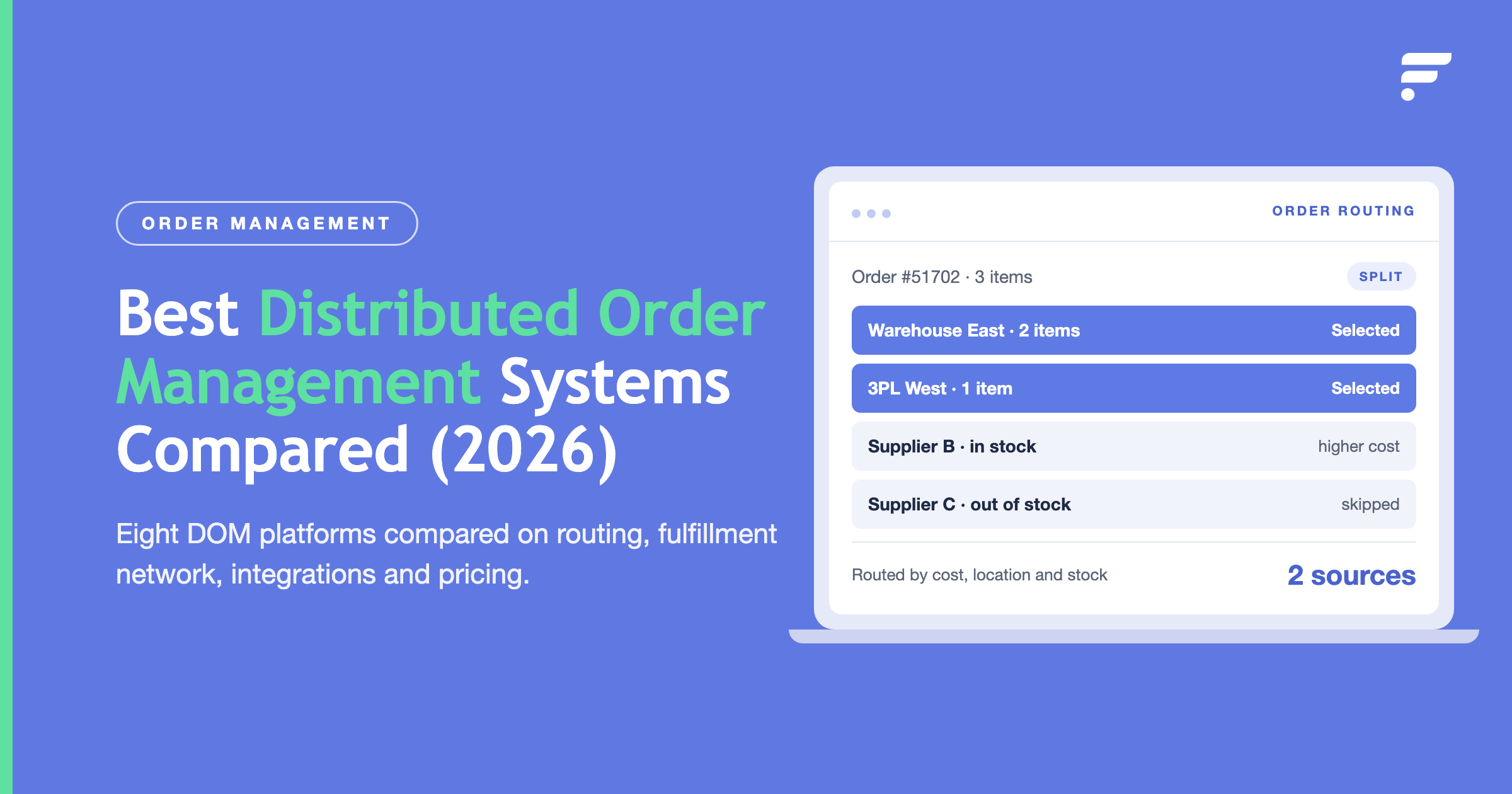
Intelligent order routing optimizes fulfillment speed, cost, and reliability. Effective systems operate on multiple decision criteria rather than rigid rules. With automation, you can automate dropshipping orders across suppliers without manual effort.
Assign each product a default supplier to ensure clear ownership. When multiple suppliers stock the same SKU, establish priority rules that dynamically choose the best option based on real-time conditions: route to the supplier with inventory first, then consider lowest cost, fastest shipping location, or highest margin.
Geographic routing sends orders to the fulfillment center closest to the customer’s address, reducing shipping time and cost. For availability-driven routing, sync supplier inventory feeds frequently and automatically reassign orders if a supplier runs out.
When orders contain items from multiple suppliers, implement logic that minimizes split shipments. Prioritize routing all items to a single supplier when possible or consolidate items into the fewest locations. Split shipments sometimes happen, so notify customers during checkout and provide separate tracking numbers. Strong dropshipping inventory management helps lower the frequency of these split shipments over time.
How Flxpoint automates multi-supplier operations
Managing multiple suppliers manually doesn’t scale. Flxpoint automates the complexity so you can focus on growth instead of coordination.
Automated order routing eliminates manual order placement by sending customer orders to the appropriate supplier based on your rules; lowest cost, fastest shipping, geographic proximity, or inventory availability. This is where Flxpoint helps you automate dropshipping orders at scale.
Real-time inventory synchronization through supplier APIs automatically updates availability across platforms when supplier stock changes. This prevents overselling and keeps your storefront accurate. Flxpoint’s architecture supports integrations across nearly any dropshipping supplier API, making onboarding new suppliers straightforward.
Dynamic pricing rules maintain margins by adjusting retail prices when supplier costs change. You set the rules once; Flxpoint handles the rest.
Automated tracking updates sync supplier shipment information with your systems, and customers receive tracking notifications without manual work.
Bulk product operations let you import large catalogs, apply consistent pricing rules, and manage variants at scale. These tools complement modern 3PL dropshipping workflows that require centralized visibility.
Flxpoint consolidates supplier integrations through one platform, normalizing data formats and monitoring integration health automatically. You maintain one connection instead of many.
Building supplier relationships that last
Treating suppliers as strategic partners rather than interchangeable vendors creates long-term operational benefits.
Develop a standard operating procedure for each supplier capturing contact details, order formats, payment terms, lead times, and communication preferences. Consistent documentation becomes even more important when handling multiple integrations, including any active dropshipping supplier API connections.
Centralize communication rather than scattering it across email threads. Use dedicated accounts or a CRM so everything stays organized.
For your most important suppliers, create joint business plans that outline expected order volume, agreed cost targets, performance indicators, and review schedules.
When disruptions happen, communicate revised timelines to customers early. Reliable partners value transparency, and so do customers.
Performance tracking that matters
Measuring supplier performance gives you objective data for improvement.
Track these core metrics:
- Fulfillment rate
- Time to ship
- On-time delivery rate
- Order accuracy
- Lead time consistency
Weight each metric based on importance to your business. Share performance data regularly and collaborate on improvement plans. With stronger systems; especially when you automate dropshipping orders; you gain cleaner data for these reviews.
For strategic suppliers, conduct quarterly business reviews to identify trends, root causes, and improvement opportunities.
Risk management through diversification
Working with multiple suppliers reduces single-point failures, but only if done deliberately.
Maintain pre-approved backup suppliers for critical products. Geographic diversification spreads risk across regions and reduces exposure to disruptions.
Avoid concentrating sales in products from single suppliers. Instead, source similar items from multiple suppliers to ensure continuity. Many merchants using 3PL dropshipping workflows rely on these diversification tactics to stay resilient.
When possible, simulate rerouting orders to backup suppliers to confirm system readiness. This also ensures that each dropshipping supplier API connection remains stable when put under real load.
Managing multiple dropship suppliers successfully combines strategic supplier selection, real-time technology, performance management, and continuous improvement. Businesses that invest in automation and transparent scorecarding build resilient, scalable operations capable of supporting growth while maintaining customer satisfaction.
The difference between struggling with supplier chaos and scaling smoothly comes down to the systems you put in place. When you rely on strong dropshipping inventory management, connect cleanly through each dropshipping supplier API, embrace 3PL dropshipping workflows, and automate dropshipping orders from end to end, supplier management becomes a competitive advantage; not a bottleneck.