Table of Contents
- Introduction
- Why Inventory Forecasting Works Differently for Dropshippers
- The Real Challenge: You Don't Control the Stock
- Real-Time Visibility vs. Traditional Forecasting
- Building Your Forecast: Simple Methods That Work
- How Flxpoint Handles Inventory for Dropship Sellers
- Managing Multiple Suppliers Without the Chaos
- Safety Stock and Reorder Points for Dropshipping
- Conclusion
Introduction
Dropship sellers face a paradox: you need to predict demand without holding inventory. Traditional forecasting methods assume you're warehousing products and replenishing stock based on projections. But when you're coordinating multiple suppliers who control the actual inventory, forecasting becomes less about predicting what to buy and more about knowing what you can actually sell right now.
The difference matters because overselling a product that's out of stock at your supplier creates fulfillment delays, customer complaints, and refunds. Yet under-forecasting means you miss sales opportunities when demand spikes. For dropshippers, forecasting isn't about warehouse replenishment; it's about real-time supplier coordination, dropshipping inventory management, and preventing your storefront from promising products you can't deliver.
Why Inventory Forecasting Works Differently for Dropshippers
Traditional retailers forecast inventory to answer: "How much should we order from our supplier next month?" Dropshippers ask a fundamentally different question: "Which suppliers have stock available right now, and what can we confidently list?"
The traditional model: You purchase inventory upfront, store it, and forecast when to reorder based on sales velocity and lead times. Your forecast drives purchasing decisions weeks or months in advance.
The dropship model: Suppliers hold the inventory. Your forecast helps you understand demand patterns, but supplier stock availability changes constantly. You're forecasting demand while also monitoring real-time supplier inventory through tools like dropshipping supplier API connectors to avoid listing products that aren't actually available.
This creates three unique forecasting challenges for dropshippers:
Supplier lead time variability ; Each supplier has different replenishment cycles. One might restock weekly, another monthly. Your forecast needs to account for which supplier can fulfill orders when others run dry.
No direct inventory control ; You can't simply order more units when your forecast predicts a spike. You're dependent on supplier restocking schedules that may not align with your demand patterns.
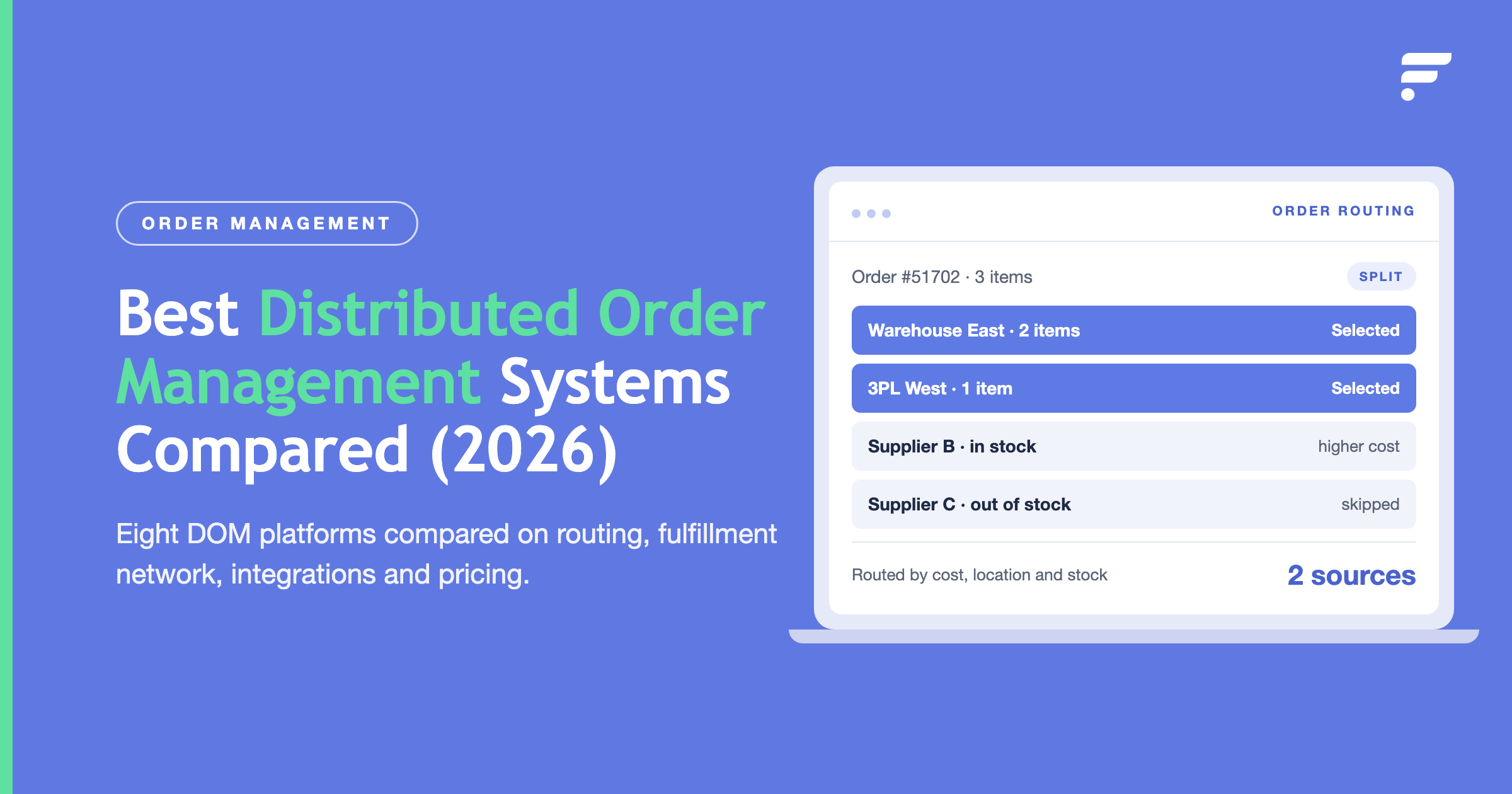
Multi-supplier complexity ; When you work with multiple suppliers carrying similar products, you need to forecast which supplier to route orders to based on stock levels, lead times, and reliability.
The Real Challenge: You Don't Control the Stock
The fundamental tension in dropshipping inventory management is this: your customers expect products to be available when they click "buy," but you're relying on suppliers who may run out of stock without warning.
According to industry research on dropshipping operations, stockouts remain one of the top fulfillment challenges because sellers often discover inventory issues only after a customer places an order. This happens when your storefront shows a product as available, but the supplier's actual stock has already been depleted.
Traditional forecasting assumes you'll use predictions to trigger purchase orders. In dropshipping, forecasting serves a different purpose; it helps you anticipate when suppliers might run low so you can either secure commitments from them, activate backup suppliers, or temporarily delist products before overselling occurs.
This is where real-time inventory visibility becomes more critical than predictive forecasting alone.
Real-Time Visibility vs. Traditional Forecasting
For dropship sellers, the most effective "forecasting" happens when you combine demand predictions with live supplier inventory data. Think of it as shifting from "What will we need?" to "What do we have access to right now, and how long will it last?"
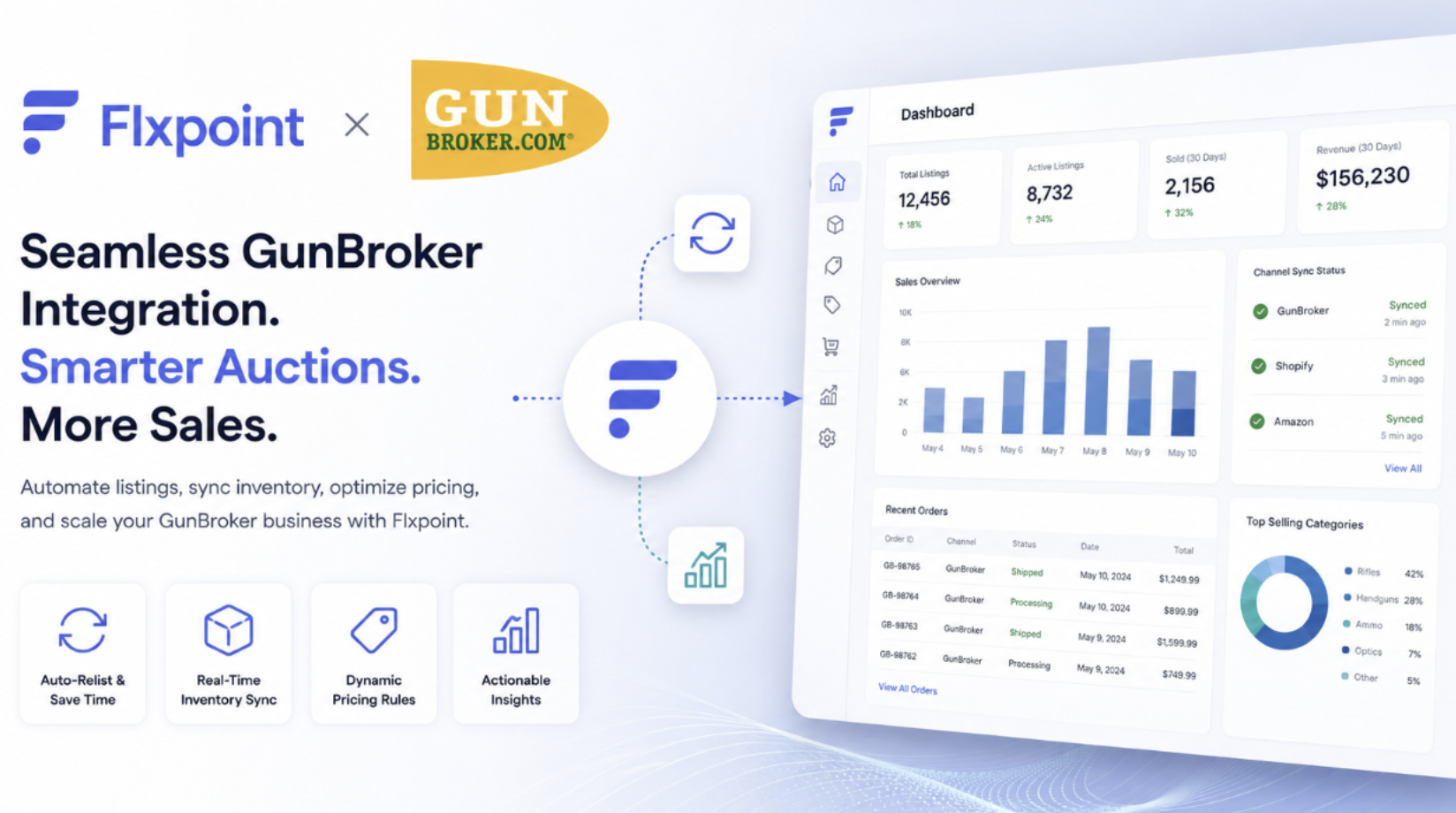
Platforms like Flxpoint support this by allowing you to monitor supplier inventory in real-time using integrations such as dropshipping supplier API connections. Instead of manually checking supplier portals or waiting for inventory files, the platform continuously tracks what's available from each source.
When a supplier's stock changes, those updates automatically sync across all your connected sales channels. If a supplier runs out of a product, your listings on Shopify, Amazon, or other marketplaces immediately reflect that unavailability. This prevents the nightmare scenario where customers order products you can no longer source.
How this changes forecasting: Rather than forecasting in isolation, you're using demand predictions to set thresholds. For example, if your forecast says a product will sell 50 units this week but your supplier only has 30 in stock, you know you need to either line up a secondary supplier or adjust your marketing to slow demand.
Flxpoint's real-time inventory synchronization keeps product availability up-to-date across multiple channels, which directly prevents overselling. The moment a product sells out at the source, its availability is reflected instantly everywhere you list it.
Building Your Forecast: Simple Methods That Work
Even with real-time visibility, demand forecasting helps you plan supplier conversations, marketing budgets, and seasonal inventory commitments. Here are three straightforward methods:
Moving averages for stable products
Take your sales from the past three months and average them. If you sold 100, 120, and 110 units, forecast 110 units for next month. This works best for products with steady, predictable demand.
Weighted averages for trending items
Give more importance to recent sales. If last month's sales are more relevant than three months ago, assign 50% weight to the most recent month, 30% to the previous month, and 20% to the oldest. This helps you catch momentum shifts faster.
Seasonal adjustments for cyclical demand
Identify patterns tied to holidays, seasons, or events. If November sales are typically 150% of your baseline, multiply your base forecast by that seasonal factor. This is critical for dropshippers because you need to communicate these spikes to suppliers weeks in advance; they need time to restock before your peak season hits.
|
Method |
Best For |
Accuracy Level |
|
Moving average |
Steady products with minimal fluctuation |
Moderate |
|
Weighted average |
Products with recent trend changes |
Higher responsiveness |
|
Seasonal modeling |
Holiday or event-driven categories |
High for recurring patterns |
The key is consistency; pick one method per product category, track actual vs. forecasted sales monthly, and adjust your approach based on what's working.
How Flxpoint Handles Inventory for Dropship Sellers
Flxpoint shifts the focus from predicting future stock needs to understanding what’s available right now across multiple suppliers. This supports reliable dropshipping inventory management and smoother workflows.
Centralized product catalog Import product data from various suppliers and merge it into a single master catalog. This becomes your source of truth for inventory across all sales platforms, ensuring consistency whether you're selling on your website, Amazon, or other marketplaces.
Automated inventory updates Any changes in inventory levels from your suppliers are automatically updated across all connected channels. This eliminates the manual work of checking supplier stock and updating listings one by one.
Analytics and reporting The platform provides insights on your sales and inventory operations. You can track key metrics like current stock availability, order fulfillment rates, and supplier performance. By monitoring these metrics, you can identify which suppliers are reliable and which products are moving fastest; data that feeds directly into smarter forecasting decisions.
Think of it this way: Flxpoint doesn't replace forecasting, but it makes your forecasts actionable. When you predict a demand spike, you can immediately see which suppliers have the inventory to support it. When forecasts are off and demand exceeds expectations, real-time updates prevent you from continuing to sell unavailable products.
For more on connecting suppliers efficiently, explore how to automate dropshipping with API and EDI.
Managing Multiple Suppliers Without the Chaos
Working with multiple suppliers is a risk management strategy; if one runs out of stock or experiences delays, you have alternatives. But it also multiplies complexity when forecasting inventory needs.
Here's a practical framework:
Assign primary and backup suppliers per product Designate one supplier as your go-to source and a second as backup. Track lead times for each; if your primary supplier takes 14 days to restock while your backup takes 10 days, factor that into your planning.
Create a supplier performance tracker Monitor average lead time, maximum lead time, and on-time delivery percentage for each supplier. A supplier promising two-week delivery but consistently taking three weeks requires higher safety buffers than a reliable partner.
Share forecasts proactively Send your top suppliers a simple monthly forecast showing expected demand for the next two to three months. This gives them visibility into your needs and increases the likelihood they'll prioritize restocking products you care about.
When one supplier reports low stock or delayed restocking, you can quickly route orders to your backup supplier instead of scrambling to find alternatives after customer orders pile up.
Flxpoint makes this easier by routing orders between suppliers automatically. It also allows you to automate dropshipping orders based on availability, reliability, or business rules.
To understand how broader dropshipping automation works across multiple suppliers, read about the seven stages of dropshipping automation.
Safety Stock and Reorder Points for Dropshipping
Even though you don't hold inventory, the concepts of safety stock and reorder points still apply; they just work differently.
Reorder points signal when to alert suppliers
Calculate when you need to check in with suppliers to ensure they're restocking. The formula: average daily sales multiplied by supplier lead time, plus a safety buffer. If you sell three units per day and your supplier takes 14 days to restock, your reorder point is around 42 units plus buffer. When supplier inventory drops below that threshold, it's time to confirm they're replenishing.
Safety stock protects against variability
This is your buffer for demand spikes or supplier delays. If your supplier's lead time varies between 10 and 18 days, you need extra cushion. A simple approach: multiply average daily sales by three to seven safety days depending on supplier reliability.
For dropshippers, safety stock isn't physical inventory you're buying; it's the minimum quantity you want your supplier to maintain. Communicate this expectation: "We need you to keep at least 50 units available at all times based on our sales velocity."
By combining reorder point monitoring with Flxpoint's real-time visibility, you can spot potential stockouts before they happen and take action; whether that means activating a backup supplier, adjusting marketing spend, or temporarily removing a listing.
For additional strategies on managing inventory across dropship and 3PL models, check out 3PL dropshipping strategies for ecommerce success.
Conclusion
Inventory forecasting for dropship sellers isn't about predicting what to order; it's about predicting what you can sell based on supplier availability. Real-time inventory visibility, proactive supplier communication, and simple demand forecasting methods give you the control you need without holding physical stock. Platforms like Flxpoint make this manageable by synchronizing supplier inventory across your channels and providing the data you need to make informed decisions.
Understanding dropshipping inventory management fundamentals ensures you're building sustainable processes that scale as your business grows.