Celigo Alternatives for NetSuite Ecommerce Integrations in 2026
Celigo earned its name as a NetSuite integration heavyweight. As retailers scale into multi-vendor and dropship operations, here is where it starts to strain, and which six alternatives are worth a look.
Celigo earned its reputation as a NetSuite integration heavyweight, with deep connectors and a large template library. As retailers scale into multi-vendor and dropship operations, though, many start looking elsewhere. The reasons that come up most are Celigo's enterprise pricing, its complex field mapping, and the self-managed maintenance it asks of your team.
The shift in 2026 is from generic middleware toward software built for ecommerce operations. Moving data between NetSuite and your sales channels is table stakes.
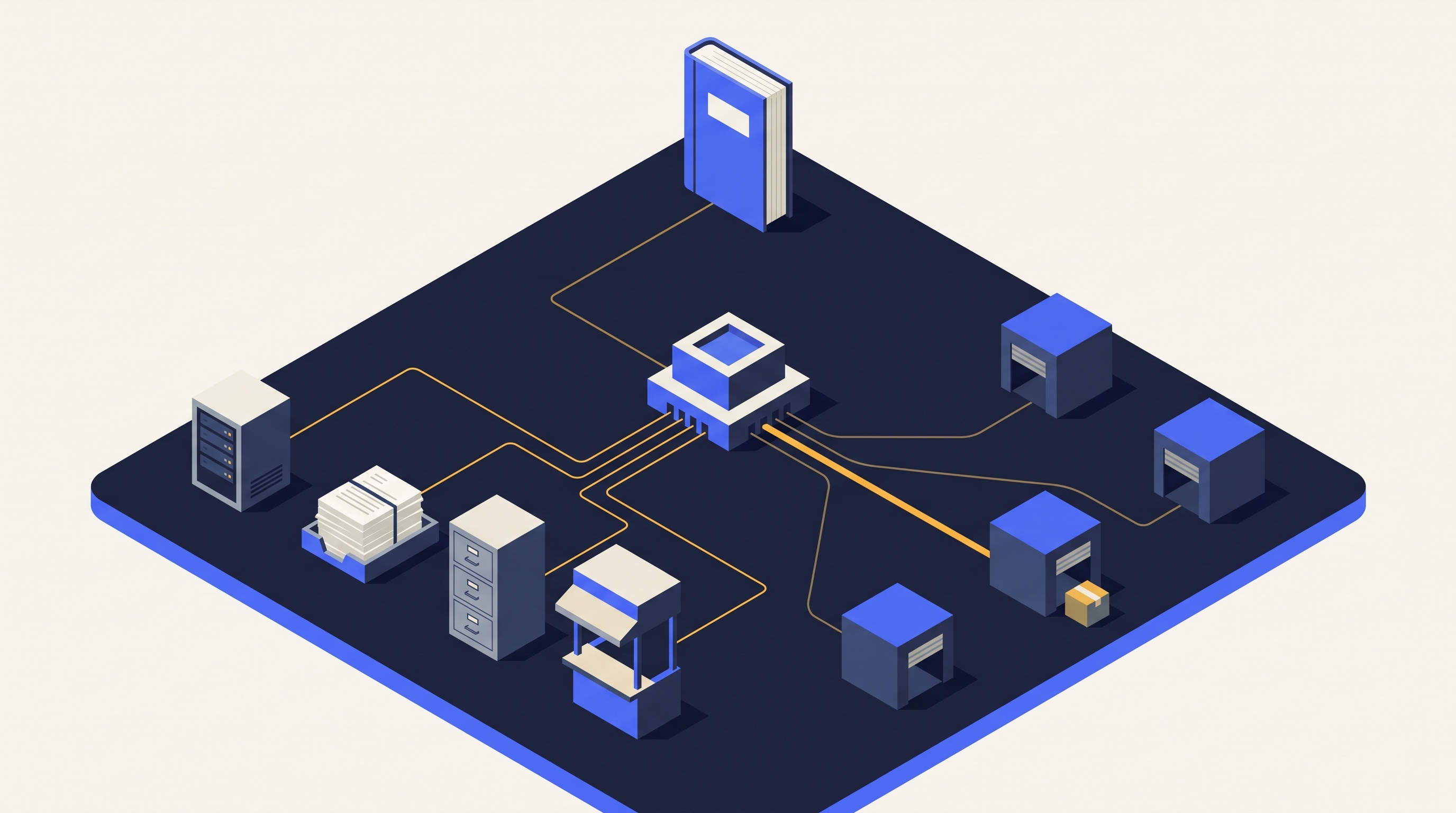
What growing retailers actually need is a layer that pools inventory from every supplier, routes each order to the most profitable source, and keeps NetSuite clean as the financial system of record.
This guide ranks the six strongest Celigo alternatives for NetSuite integration, starting with Flxpoint, and shows where each one fits.
Ranked overview: the six best Celigo alternatives for NetSuite in 2026
Different tools win at different operational models. Here is how the top six rank for growing NetSuite retailers.
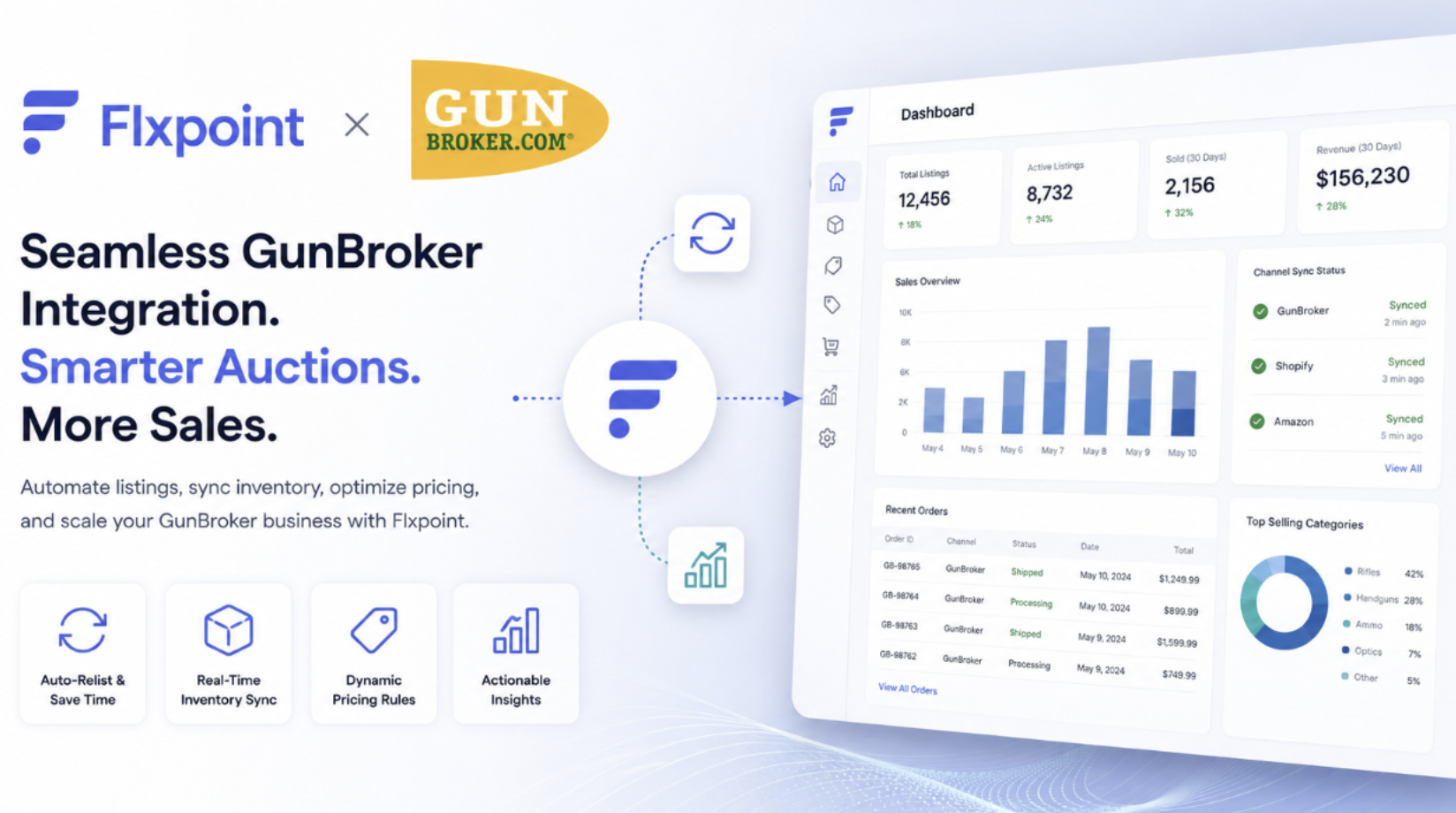
Best for high-volume ecommerce, dropship, and multi-vendor retailers that need multi-source inventory, dynamic order routing, and NetSuite-native sync without per-flow fees.
Best for enterprises bridging cloud apps with behind-the-firewall systems. Its Atom runtime keeps data processing local for tighter governance, but it carries a steep learning curve and generic NetSuite awareness.
Best for RevOps and cross-department automation using low-code recipes across NetSuite and SaaS tools like Slack, Salesforce, and Zendesk. Usage-based pricing can climb with volume.
Best for mid-market teams that want managed, ERP-native connectors with flat packaged pricing starting around $99 per month.
Best for developer-heavy teams that want a self-hosted, source-available platform and are ready to build their own retry loops and error handling.
Best for lightweight, one-way SaaS triggers across thousands of apps. It is not built for high-volume, bidirectional ERP syncing.
| Platform | Deployment | Pricing model | Management complexity | Best-fit use case |
|---|---|---|---|---|
| Flxpoint | Cloud native | Flat / order-volume tiered | Moderate | High-volume ecommerce and dropship |
| Boomi | Hybrid / Atom | Quote-based | High | Legacy hybrid systems |
| Workato | Cloud native | Usage / recipe | Moderate | RevOps and SaaS automation |
| APPSeCONNECT | Managed | Packaged ($99+) | Low | Mid-market, low dev resources |
| n8n | Self-hosted | Licensing plus dev | High | Low budget, high dev skill |
| Zapier | Cloud native | Task-based | Low | Lightweight SaaS triggers |
Key evaluation criteria for NetSuite integration and order management software
Feature checklists alone will not tell you how a platform holds up under real order volume. Weigh candidates against these seven points.
ERP fit and native SuiteCloud compatibility
The platform must treat NetSuite as a business logic engine rather than a plain database. It should natively support Token-Based Authentication (TBA), modern REST Web Services, and custom SuiteScript triggers, operating cleanly within NetSuite's API rules to avoid concurrency lockups.
Specialized multi-source fulfillment logic
Standard middleware simply passes raw orders downstream. A specialized commerce platform must provide real-time distributed inventory tracking, automated supplier overlap deduplication, and dynamic routing across internal warehouses, 3PLs, and external dropship vendors.
Universal supplier ingestion and data translation
Suppliers communicate through varied protocols. The software must ingest and normalize feeds across REST APIs, direct storefront connections (like Shopify-to-Shopify), EDI formats (such as 846, 850, 856, and 810), scheduled SFTP flat files, and web-based supplier portals without demanding bespoke coding for each partner.
Pricing predictability and total cost of ownership
Organizations must look past initial platform license costs. Watch for pricing structures that penalize you for scaling order volume, connecting secondary warehouses, or adding sales channels.
Error management and end-to-end observability
High-volume transaction environments will hit data anomalies. Platforms must deliver clear error logs, automated retry mechanisms, and full visibility into executed payloads, so silent record omissions do not slip into NetSuite undetected.
Rapid time-to-live via prebuilt workflows
Relying entirely on custom API development delays operational milestones. Solutions must provide pre-mapped integration workflows for major storefronts and marketplaces while staying flexible enough for custom NetSuite fields and business rules.
Scalability, security, and governance standards
The software must handle peak transaction surges, such as Black Friday promotions, through intelligent queue management and strict compliance with enterprise security protocols, including SOC 2 Type II and OAuth standards.
Why SMB and mid-market retailers are replacing Celigo in 2026
While Celigo has historically served as a standard connector for NetSuite users, mid-market retailers increasingly find that generic middleware models introduce operational constraints as fulfillment models expand.
Cost that scales with your stack
Celigo prices around connected endpoints and flows. Reviewers report that mid-market deployments often land in the following range, and that adding a channel, sandbox, subsidiary, or on-premise agent raises the bill.
Enterprise features such as advanced API management and B2B/EDI usually arrive as separate paid add-ons, and some users report steep renewal increases once they are committed.
Maintenance load
Celigo is marketed as low-code, but keeping flows healthy still calls for dedicated attention. Teams report time spent decoding cryptic errors and repairing mappings after background updates. For lean operations, that upkeep can outweigh the benefit.
Generalist limits for retail
Celigo is strong at moving data between applications, but it was not built to run distributed fulfillment. Retailers with multi-warehouse dropshipping, overlapping distributor feeds, or margin-based routing find that standard connectors cannot handle split-order margins or dynamic supplier routing.
That is the gap teams fill when they move to Flxpoint for NetSuite dropship automation.
The four recurring pain points driving NetSuite users away from Celigo
Silent updates and silent failures
Users report that Celigo pushes background changes to packaged connectors in production. When a mapping schema shifts without notice, a flow can keep running while dropping fields, so records land in NetSuite incomplete. Because no error fires, the gap often shows up only at month-end reporting.
Return and exchange reconciliation
Complex refunds are hard to reconcile cleanly. Users report discount and net-price mismatches on return line items, which can distort cost of goods sold and inventory valuation in NetSuite and create manual accounting work.
Line-item duplication on sync
During order refreshes, users report duplicate SKUs and bloated records, often because the sync pulls a full order rather than the specific lines that changed. That leaves records the team has to audit by hand.
Concurrency limits under load
High-volume flows can hit NetSuite's concurrency caps and stall, with users citing errors during peak periods. Some also report record-initialization conflicts with existing User Event scripts. Handling this cleanly takes throttling logic that a generic data pipeline does not provide by default.
Flxpoint vs. Celigo: NetSuite integration head-to-head comparison
The difference is one of design. Celigo moves data between apps. Flxpoint adds the inventory and order logic that sits on top of NetSuite and runs your fulfillment.
| Capability | Celigo | Flxpoint |
|---|---|---|
| Core model | Middleware that moves data between apps | Manages inventory and order routing on top of NetSuite |
| Order routing | Rule-based, single preferred vendor | Dynamic routing by cost, stock, proximity, and package count |
| Catalog | Field mapping | Multi-supplier deduplication and merged product records |
| NetSuite authentication | REST and connectors | Token-Based Authentication and REST Web Services |
| Pricing | Per endpoint and per flow, add-ons for EDI and API | Flat or order-volume tiered |
The five core advantages of Flxpoint over Celigo for NetSuite integrations
NetSuite-native connection through TBA and REST
Flxpoint connects with Token-Based Authentication and native REST Web Services, and works with NetSuite in two roles at once. As a channel, it syncs listings and pulls sales orders. As a source, it pools internal warehouse inventory and pushes fulfillment and tracking data back, so accounting and operations stay aligned.
Multi-source catalog and deduplication
When several distributors carry the same manufacturer part number, Flxpoint merges them into one listing using the UPC, or Brand/AAIA plus MPN, pools live stock, sets per-field source priorities, and enforces MAP floors. You keep your internal NetSuite SKU names even when distributor naming differs.
Dynamic order routing
Flxpoint reads each line item and routes it to the lowest-cost in-stock vendor, including item cost, estimated shipping, and dropship fees. It splits mixed carts between your warehouse and dropship suppliers, and consolidates orders to cut split packages.
Line item hits Flxpoint from any channel
Stock, item cost, shipping, dropship fees
Lowest-cost in-stock vendor wins the line
Vertical-specific automation
Flxpoint ships with logic for regulated and high-SKU categories. For firearms, it captures and transmits FFL data and integrates with GunBroker, RSR, and Lipsey's. For automotive, it handles high-SKU feed hygiene and ACES and PIES fitment. For HVAC and industrial, it manages multi-million SKU catalogs.
Vendor portals, blind dropshipping, and shipping labels
Flxpoint runs vendor and reseller portals with automated late-shipment nudges, generates retailer-branded packing slips for blind dropshipping, and rate-shops carriers through ShipEngine to buy the cheapest label and attach it to the purchase order.
Migration blueprint: moving from Celigo to Flxpoint without disrupting NetSuite operations
- Map endpoints and inventory sourcesAudit your current Celigo flows and map every 3PL, distributor, and internal warehouse into Flxpoint's source structure so data stays continuous.
- Pilot one high-impact flowStart with a single-channel order sync, such as Shopify to NetSuite, to validate the connection and confirm performance under real orders.
- Run in parallel and validateKeep both systems live and check that discount calculations, tax applications, inventory levels, and routing all match before you retire any legacy flow.
- Build the runbook and trainDocument the process for NetSuite admins and train them on routing rules and category mapping.
- Cut overDecommission Celigo connectors once PO syncs and tracking updates run clean.
Frequently asked questions
See how Flxpoint handles multi-source inventory, order routing, and NetSuite dropship on a flat plan with no cut of your sales.
Book a demo