Table of Content
- Introduction
- How to Integrate Ecommerce?
- Types of Ecommerce API Integrations: REST, EDI, and SFTP Compared
- Types of Ecommerce APIs
- Ecommerce API Integration for Suppliers and Marketplaces
- Ecommerce Inventory Management API Integration
- How Do Ecommerce APIs Work?
- Benefits of Using Ecommerce APIs
- Key Features of a Good Ecommerce API
- Implementation Considerations for Ecommerce APIs
- API-Driven Ecommerce: The Operational Advantage
- Frequently Asked Questions
Introduction
What Is Ecommerce API? An ecommerce API (Application Programming Interface) is software that enables two systems (such as an online store, supplier, marketplace, or ERP) to exchange data automatically. It eliminates manual data transfer by connecting platforms to sync orders, inventory, pricing, and fulfillment in real time.
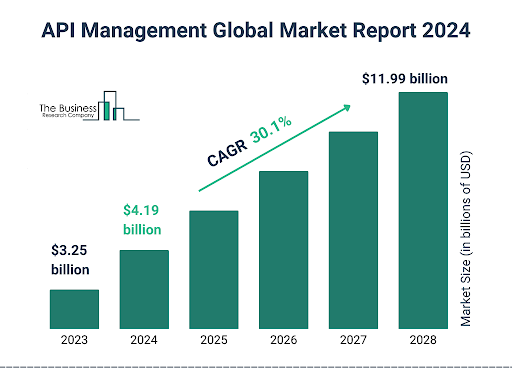
Source Link
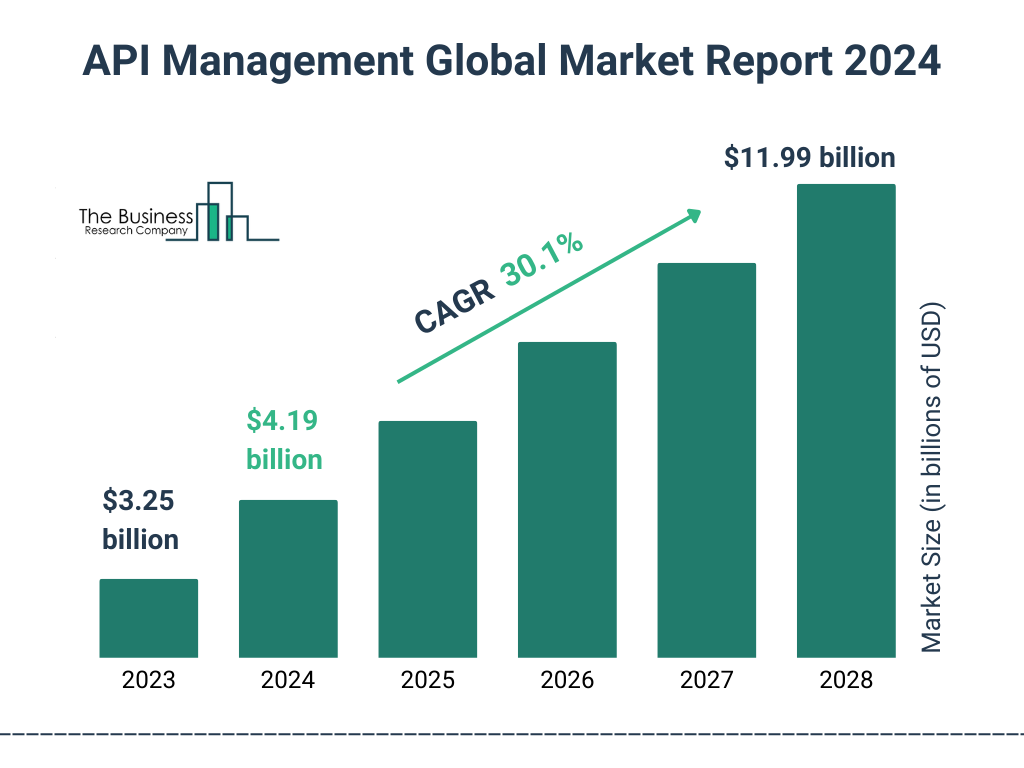
The importance of APIs in ecommerce is evident, as 60% of revenue for leading eCommerce platforms is driven by API integrations. With the global API management market projected to reach $11.99 billion by 2028, growing at a CAGR of 30.1%, the demand for robust and scalable ecommerce APIs is expected to rise significantly.
For retailers and suppliers, this isn't an abstract trend. Every time an order syncs from your storefront to a supplier's warehouse system, every time inventory levels update across your channels without manual input, every time a tracking number reaches a customer automatically, an API is making that happen.
This guide covers what ecommerce APIs are, how they work, the types of integrations that matter most for retail and supplier operations, and how Flxpoint uses API integration to connect the entire commerce stack.
How to Integrate Ecommerce?
Ecommerce API integration is the process of connecting your ecommerce platform (your storefront, marketplace accounts, ERP, or warehouse system) to external systems so that data flows between them automatically without manual export, import, or entry.
At its core, an integration works like this: one system sends a request to another system's API endpoint, that system processes the request and returns a response, and the requesting system acts on that data. This happens continuously, in the background, keeping all connected systems aligned in real time.
Here is the technical flow in practice:
- The client application sends an HTTP request to the API endpoint. For example, your ecommerce platform sends a POST request to a supplier's order management API when a customer places an order, including the product SKU, quantity, and shipping address in the request body.
- The API authenticates the request. Every API call must be verified. Common authentication methods include OAuth 2.0 (which issues secure tokens) and API keys (unique identifiers assigned per integration). All communication is encrypted via HTTPS.
- The API interacts with the target system. The supplier's system receives the order data, validates it against available inventory, and creates the purchase order in their warehouse management system.
- The data API returns a structured response. The response (typically formatted in JSON) confirms the order was received, provides the PO number, and may include estimated ship date. Your platform captures this data and updates the order record accordingly.
- Real-time synchronization continues. As the order moves through fulfillment, subsequent API calls push status updates (order confirmed, picked, shipped, tracking number assigned) back to your platform and ultimately to the customer.
Example API call for order sync:
This single API call replaces what would otherwise be a manual process: logging into a supplier portal, entering the customer's address, selecting the product, confirming the order, and waiting for an email confirmation. At scale, eliminating that manual step across hundreds of daily orders is what makes API-driven ecommerce operationally viable.
Types of Ecommerce API Integrations: REST, EDI, and SFTP Compared
Not all ecommerce integrations use the same technology. The right integration type depends on your supplier's technical infrastructure, your order volume, and the real-time requirements of your operation. Here is how the three most common integration types compare:
Factor |
Rest API |
EDI |
SFTP (Flat File) |
|
Data Format |
JSON or XML |
ANSI X12 or EDIFACT |
CSV, TXT, or XLS |
|
Update frequency |
Real-time |
Scheduled batches (hourly or daily) |
Scheduled (often daily) |
|
Setup complexity |
Moderate: requires API credentials and developer setup |
High: requires mapping and compliance standards |
Low: file transfer via FTP credentials |
|
Best for |
Modern platform, real-time order and inventory sync |
Large distributors and retailers with established EDI infrastructure |
Supplier without API or EDI capability |
|
Inventory sync |
Instant |
Hourly to daily |
Daily at best |
|
Order transmission |
Instant: PO created in supplier system in real time |
Batch: order queued and transmitted on schedule |
Manual or semi-automated file drop |
|
Tracking return |
Automated: pushed back via webhook or API poll |
Batch: returned in 856 ASN transaction |
Manual or emailed separately |
|
Error handling |
Immediate response codes |
Acknowledgment transactions (997) |
Required manual monitoring |
REST API is the preferred integration type for real-time operations. It gives you instant order transmission, live inventory visibility, and automated tracking returns: the full automation stack. Most modern ecommerce platforms and newer suppliers support REST.
EDI is the standard for large distributors and retailers with established supply chain infrastructure. While it operates on batch schedules rather than real time, EDI is highly reliable for high-volume wholesale operations and is often a requirement to work with major retail partners.
SFTP (flat file) is the practical option for suppliers who don't yet support API or EDI. It's slower and requires more manual monitoring, but it still allows inventory feeds and order files to be exchanged in a structured format, making some level of automation possible even with lower-tech suppliers.
Flxpoint supports all three integration types, which means every supplier in your network can be connected and automated regardless of their technical infrastructure. You don't have to choose between working with a supplier and automating their orders.
Types of Ecommerce APIs
- Product Information APIs
These APIs deal with product data, such as details about inventory, pricing, and descriptions. They are essential for managing and synchronizing product catalogs across platforms.
- Key Features:
- Fetch or update product details (e.g., names, descriptions, and SKUs).
- Manage inventory levels and availability.
- Adjust product pricing dynamically or periodically.
- Support product categorization and tagging.
- Use Cases:
- Synchronizing product data between a central database and marketplaces like Amazon or eBay.
- Automating price adjustments based on competitor prices or supply-demand factors.
- Order Management APIs
These APIs handle all aspects of order processing, from creation to fulfillment and tracking.
- Key Features:
- Create, update, or retrieve order information.
- Manage order statuses (e.g., pending, shipped, delivered).
- Integrate with shipping carriers for tracking information.
- Handle refunds, cancellations, and returns.
- Use Cases:
- Connecting an e-commerce platform with fulfillment services like FedEx or DHL.
- Centralizing order information from multiple sales channels into one dashboard.
- Customer Management APIs
These APIs facilitate the management of customer data, interactions, and preferences.
- Key Features:
- Access and update customer profiles.
- Track customer purchase history and preferences.
- Enable personalized recommendations and targeted marketing.
- Manage customer service interactions.
- Use Cases:
- Building loyalty programs based on purchase history.
- Integrating CRM tools like Salesforce with the e-commerce store.
- Payment Gateway APIs
These APIs handle payment processing for online transactions, ensuring secure and efficient payments.
- Key Features:
- Process payments through credit/debit cards, digital wallets, and bank transfers.
- Support multi-currency and international transactions.
- Enable recurring payments and subscriptions.
- Provide fraud detection and prevention mechanisms.
- Use Cases:
- Integrating PayPal, Stripe, or other payment services into an e-commerce website.
- Supporting seamless checkout experiences in mobile applications.
- Shipping and Logistics APIs
These APIs streamline the shipping and delivery processes by providing integration with carriers and logistics providers.
- Key Features:
- Calculate shipping costs and delivery times.
- Generate shipping labels and documentation.
- Track shipments in real-time.
- Automate customs and cross-border shipping requirements.
- Use Cases:
- Offering live shipping rates during checkout.
- Providing customers with real-time tracking updates for their orders.
- Marketplace APIs
Marketplace APIs allow businesses to list products, manage orders, and interact with marketplace platforms.
- Key Features:
- Create or update product listings on marketplaces.
- Retrieve sales and performance analytics.
- Sync inventory across multiple platforms.
- Manage promotions and discounts specific to a marketplace.
- Use Cases:
- Selling on platforms like Amazon, Etsy, or Walmart.
- Tracking marketplace-specific sales performance.
- Analytics and Reporting APIs
These APIs provide data and insights about various e-commerce metrics, such as sales performance, customer behavior, and website traffic.
- Key Features:
- Access data on revenue, conversion rates, and cart abandonment.
- Track customer engagement across touchpoints.
- Generate custom reports for specific metrics.
- Integrate with analytics platforms like Google Analytics.
- Use Cases:
- Monitoring KPIs in real-time.
- Identifying trends to inform marketing or inventory decisions.
Ecommerce API Integration for Suppliers and Marketplaces
For retailers managing relationships with multiple suppliers and selling across multiple marketplaces, the challenge isn't whether to integrate; it's how to manage integrations at scale without each one becoming a separate, independently maintained technical project.
The practical reality of multi-supplier ecommerce is that every supplier has a different technical setup. Some offer REST APIs. Others operate on EDI. Others send inventory CSVs by email.
Building and maintaining individual integrations with each supplier (especially as the supplier network grows) creates a fragile, resource-intensive infrastructure that requires ongoing developer attention every time a supplier changes their data format or API version.
Flxpoint addresses this at the platform level. Rather than building a direct integration to each supplier individually, retailers connect to Flxpoint once, and Flxpoint manages the supplier-facing integrations across REST, EDI, and flat-file formats. This means:
- Supplier onboarding is faster: new suppliers are connected through Flxpoint's existing integration infrastructure rather than requiring new development per supplier
- Inventory syncing is centralized: stock levels from every supplier feed into one system, giving you a single source of truth for availability across your entire catalog
- Order routing is automated: when an order comes in from any marketplace, Flxpoint routes it to the correct supplier based on your rules and transmits the PO through whatever integration method that supplier supports
- Marketplace compliance is handled: each marketplace has its own listing format, order acknowledgment requirements, and fulfillment SLAs; Flxpoint manages that complexity so your team doesn't have to
For suppliers connecting into retailer or marketplace ecosystems, Flxpoint's API provides a standardized way to receive orders, push inventory updates, and return tracking data, regardless of which retailer or marketplace channel the order originated from. API-driven ecommerce at the supplier level means orders arrive in structured, consistent format rather than as email attachments or portal entries, which reduces processing errors and accelerates fulfillment.
Ecommerce Inventory Management API Integration
Inventory is the data point that every other part of ecommerce automation depends on. If inventory levels are inaccurate, order routing sends purchases to suppliers who are out of stock. Storefronts display products that can't be fulfilled. Customers place orders that have to be cancelled. Every downstream process breaks when inventory data is unreliable.
Ecommerce inventory management API integration solves this by keeping stock levels synchronized in real time (between your suppliers' warehouse systems, your central platform, and your sales channels) so every part of the operation is working from the same accurate data at all times.
Here is how inventory API integration works in a multi-supplier operation:
Supplier-side inventory feeds: each supplier exposes their available stock via API, EDI, or structured feed file. Flxpoint connects to each supplier's inventory source and polls for updates at the frequency the supplier supports: real time, hourly, or daily.
Centralized inventory aggregation: all supplier inventory data flows into Flxpoint's central system, where it's normalized and maintained as a unified view of available stock across every supplier and every SKU.
Storefront inventory push: updated stock levels are pushed from Flxpoint to each connected sales channel (Shopify, Amazon, eBay, and others), ensuring that product availability displayed to customers always reflects current supplier stock.
Order-triggered inventory reservation: when an order is received and routed to a supplier, the corresponding inventory is reserved or decremented in the system, preventing the same unit from being sold twice across channels before the supplier confirms fulfillment.
Threshold-based alerts and delisting: inventory rules can be configured to automatically delist products when supplier stock falls below a defined threshold, preventing stockout orders before they happen rather than resolving them after the fact.
For retailers managing large catalogs across multiple suppliers, this level of inventory API integration is what makes accurate, real-time availability data achievable at scale, without manually checking supplier stock levels or accepting the risk of frequent oversell situations.
How Do Ecommerce APIs Work?
Communication via HTTP Protocols
Ecommerce APIs use HTTP/HTTPS protocols to enable communication between the ecommerce platform and other systems (e.g., ERP, CRM, or Ecommerce payment gateways). These systems send and receive requests in a structured way.
Endpoints and Requests
The API exposes specific endpoints: URLs mapped to various functions like retrieving product data, updating inventory, or processing orders. Client applications (like your web or mobile app) interact with these endpoints using standard HTTP methods:
- GET: To fetch data (e.g., product details).
- POST: To send new data (e.g., create an order).
- PUT: To update existing data (e.g., adjust inventory).
- DELETE: To remove data (e.g., cancel an order).
Authentication and Security
Every request must be authenticated. Common methods include:
- OAuth 2.0: Issues tokens for secure access.
- API Keys: Simple keys unique to each client.
Secure communication is enforced via HTTPS, and additional measures like rate limiting and input validation guard against abuse.
Data Flow
- The client application sends an HTTP request to the API endpoint.
- The API authenticates the request and validates input data.
- It interacts with the necessary database or system (e.g., retrieving product inventory from the ERP).
- The API formats the response (usually in JSON) and sends it back to the client.
Key Functionalities
The API streamlines ecommerce processes by handling:
- Product Management: Retrieve, update, or delete product details.
- Order Processing: Create orders, track fulfillment, process refunds.
- Customer Data: Manage customer profiles, purchase history.
- Cart Operations: Update cart contents, apply discounts.
- Payment Handling: Securely process payments through integrated gateways.
Real-Time Synchronization
APIs ensure real-time data synchronization between systems, like updating stock levels instantly when a purchase is made or providing customers with accurate shipping updates.
In essence, an ecommerce API is the middleware that enables seamless communication, automation, and integration between your platform and external systems, ensuring efficient and scalable operations.
Benefits of Using Ecommerce APIs
Ecommerce APIs offer several advantages for businesses looking to integrate systems, streamline processes, and adapt to changing market demands. Here’s how they can benefit your operations:
- Customizable Integrations
Ecommerce APIs allow businesses to integrate their systems with external services and platforms, creating solutions tailored to their specific operational needs. This flexibility enables connection to suppliers, logistics providers, marketplaces, and ERPs, without being constrained by what a traditional out-of-box ecommerce platform supports natively.
- Centralized Management
By consolidating all operations (inventory, order routing, shipping, and customer data) into a single API, businesses can streamline their management process. This centralization simplifies workflows, ensures that different parts of the system stay aligned, and helps reduce the complexity of handling multiple separate integrations.
- Scalability
Ecommerce APIs support easy scaling of operations. As your business grows, APIs make it simple to add new partners, channels, or services. Rather than overhauling the entire system, you can scale gradually, adding capabilities or integrations as needed without disrupting existing workflows.
- Efficiency in Operations
APIs reduce manual processes by automating tasks like order management, shipping, and inventory updates. This leads to more efficient operations with less human intervention, minimizing errors and freeing up staff time for more strategic activities.
- Faster Time-to-Market
With pre-built integrations into various third-party systems, APIs speed up the deployment of new features or services. These integrations eliminate the need to build from scratch, reducing setup time and allowing businesses to launch products or updates faster.
Key Features of a Good Ecommerce API
- Centralized Operations
A good ecommerce API should allow you to manage all core business functions like orders, inventory, shipments, and product listings from a single platform. This ensures that different systems can easily work together. - Partner Integration
It should provide open access for fulfillment or sales partners to connect their systems. This allows your partners to automate tasks like order routing or inventory updates directly through the API. - Ease of Use and Setup
APIs built on standards like OpenAPI (e.g., version 3.0) are easier for developers to use. They come with pre-built integration tools and documentation to get systems running quickly. - Authentication and Security
Secure access through tokens is crucial. The API should support different permission levels (e.g., full admin access vs. restricted user access) to ensure sensitive data is protected. - Rate Limiting
APIs should manage how many requests can be processed per second to maintain performance without overloading the system. For example, dividing requests across tokens allows scaling without delays. - Support for Pre-Built Connections
APIs should already have built-in integrations with popular platforms like shipping carriers, ecommerce stores, and third-party logistics providers (3PLs), so you don’t need to start from scratch. - Custom Integration Support
Advanced APIs offer tools to create custom solutions, such as connecting with a CMS, building mobile apps, or enabling headless commerce setups where the storefront and backend are separate. - Efficient Data Handling
Features like filtering, sorting, and pagination help manage data efficiently, so you only retrieve the information you need. Batch processing allows grouping multiple actions into a single request, saving resources. - Scalability
A good API supports growing businesses by handling large volumes of requests or data exchanges without performance issues. It works equally well for small and large operations. - Clear Documentation
Accessible and up-to-date documentation ensures developers can quickly understand how to implement, test, and maintain integrations.
In ecommerce, these features are essential for automating workflows, connecting with partners, and scaling efficiently.
Implementation Considerations for Ecommerce APIs
When considering the implementation of the ecommerce API for a business, several key factors must be taken into account to ensure a successful integration. Here are the primary considerations:
Understanding Business Needs
- Identify Objectives: Clearly define what you aim to achieve with the ecommerce API, such as improving data accuracy, enhancing operational efficiency, or streamlining processes.
- Assess Compatibility: Evaluate how the API aligns with existing systems and workflows within your organization.
Technical Requirements
- API Documentation: Thoroughly review the API documentation to understand endpoints, authentication methods, data formats, and error handling. Using code analysis software during this stage can help identify integration risks early by reviewing how your existing codebase interacts with new API workflows.
- Infrastructure: Ensure that your current tech infrastructure can support the API’s requirements, including server capacity and network bandwidth.
Security Considerations
- Data Protection: Implement measures to secure sensitive data transmitted through the API, including encryption and secure authentication protocols.
- Compliance: Verify that using the API complies with relevant regulations (e.g., GDPR, HIPAA) applicable to your industry.
Integration Process
- Development Resources: Assess whether your team has the necessary skills and resources for integration or if you need external expertise.
- Testing Environment: Set up a testing environment to trial the API before full deployment, allowing for troubleshooting and adjustments.
Performance Monitoring
- Metrics and KPIs: Establish key performance indicators (KPIs) to measure the effectiveness of the API post-implementation.
- Monitoring Tools: Utilize monitoring tools to track API performance, uptime, and response times.
Support and Maintenance
- Vendor Support: Investigate the level of support provided by Flxpoint, including documentation, customer service, and community forums.
- Ongoing Maintenance: Plan for regular updates and maintenance to ensure continued compatibility and security.
Cost Analysis
- Budgeting: Consider both direct costs (e.g., subscription fees) and indirect costs (e.g., development time) associated with implementing the API.
- Return on Investment (ROI): Analyze potential ROI by estimating cost savings or revenue increases resulting from improved efficiency or capabilities.
By carefully evaluating these considerations, businesses can make informed decisions about implementing the ecommerce API effectively.
API-Driven Ecommerce: The Operational Advantage
API-driven ecommerce is the architecture that makes modern retail operations scalable. When every system in your stack (your storefront, your suppliers, your marketplaces, your logistics providers) communicates through structured, automated data exchange rather than manual processes, the operation runs faster, makes fewer errors, and can handle volume growth without proportional increases in staff or overhead.
- Visit Our Website: www.flxpoint.com
- Request a Demo: See the API in action with a personalized demonstration tailored to your business needs.
- Talk to Our Experts: Reach out to our support team for guidance on getting started.
For multi-source, multi-channel retailers and their supplier partners, Flxpoint is built to be the API integration layer that connects all of it, handling the technical complexity of diverse supplier integrations, real-time inventory sync, automated order routing, and marketplace compliance, so your team can focus on growing the business rather than maintaining the infrastructure it runs on.
Frequently Asked Questions
Question: What is an ecommerce API?
Answer: An ecommerce API is a software interface that allows two systems (such as an online store, supplier platform, marketplace, or ERP) to exchange data automatically. It eliminates manual data transfer by enabling real-time or scheduled synchronization of orders, inventory, pricing, tracking, and customer information between connected platforms.
Question: What is API in ecommerce?
Answer: In ecommerce, an API is the connection layer between your commerce platform and the external systems it needs to work with: suppliers, shipping carriers, payment processors, marketplaces, and analytics tools. Rather than manually exporting and importing data between systems, APIs allow that data to flow automatically based on defined triggers and rules.
Question: How does ecommerce API integration work?
Answer: Ecommerce API integration works by sending structured HTTP requests between connected systems. A client system sends a request to an API endpoint (for example, to create an order or retrieve inventory levels). The API authenticates the request, interacts with the target system, and returns a structured response. This process happens continuously, keeping all connected systems synchronized without manual intervention.
Question: What does API-based commerce mean?
Answer: API-based commerce refers to an ecommerce architecture where all core functions (product management, order processing, inventory sync, payments, and fulfillment) are connected and operated through APIs rather than through a single monolithic platform. This approach gives businesses the flexibility to connect best-in-class tools for each function and integrate them into a unified, automated operation.
Question: How do I connect my online store with my retail partner's inventory systems?
Answer: The most effective way is through a platform like Flxpoint that supports multiple integration types (REST API, EDI, and flat-file), so you can connect regardless of your retail partner's technical infrastructure. Once connected, Flxpoint syncs inventory in real time, routes orders automatically to the correct source, and returns tracking data to your store without manual steps at any point in the process.
Question: How does ecommerce inventory management API integration work?
Answer: Inventory management API integration connects your suppliers' warehouse systems to your central platform and sales channels, keeping stock levels synchronized in real time. As supplier inventory changes, those updates flow through the API to your platform and are pushed to your storefronts automatically, preventing overselling, enabling accurate routing decisions, and ensuring that product availability displayed to customers always reflects current supplier stock.
Ready to Integrate?
Whether you're a retailer looking to connect suppliers and automate order routing, or a supplier building structured integrations with retail partners and marketplaces, Flxpoint provides the API infrastructure to make it work, across REST, EDI, and flat-file formats, at any scale.