The market’s growing fast, expected to hit 52.7 billion dollars by 2026 from 27.17 billion in 2019, and by 2030, it could reach 80.7 billion dollars. People are buying personal wellness devices and other intimate products.
This growth comes with expectations. Customers want quality, fair prices, and discretion. Dropshipping fits perfectly here, letting you sell online without a physical store, cutting costs, and offering privacy. But before you start, you need to understand the legal landscape to avoid costly missteps.
Let’s break it down, step by step, so you can launch your business confidently and stay on the right side of the law.
Why Sex Toy Dropshipping Is Legally Complex
The sex toy industry thrives because it’s resilient. Currently, approximately 82% of American women own at least one intimate wellness product, with personal wellness devices being the most popular category at 47 percent ownership. The demographic sweet spot sits between ages 25 and 29, and annual spending exceeds $100 for over 40 percent of consumers.
Despite this mainstream acceptance, the complexity stems from how different jurisdictions classify these products. Selling sex toys is generally legal in the U.S., thanks to Supreme Court decisions in the 1960s that opened the door for adult shops. However, while federal law doesn't restrict sex toy sales, states and local governments can step in with their own rules.
Some states treat them as medical devices, others as obscene materials, and many fall somewhere in between. This patchwork of regulations makes compliance particularly challenging for dropshippers who need to ship nationwide.
State-by-State Legal Landscape
Complete Prohibition States
Alabama maintains the strictest stance through its Anti-Obscenity Enforcement Act of 1998. The law criminalizes selling any device "designed or marketed as useful primarily for personal physical stimulation." Violators face up to $10,000 in fines and one year imprisonment. Repeat offenders get hit with felony charges.
The Alabama statute includes a particularly harsh provision: conviction requires registration as a sex offender. This extreme penalty makes Alabama a complete no-go zone for dropshippers, regardless of how the products are marketed or packaged.
Mississippi follows similar restrictions, making it unlawful to distribute devices designed for genital stimulation. While enforcement appears less aggressive than Alabama, the legal risk remains substantial for any business shipping into the state.
States with Historical Restrictions
Texas presents an interesting case study in changing regulations. The 1973 Texas obscenity statute initially banned sex toy sales entirely. However, a 2008 federal court ruling declared the law "unconstitutional and unenforceable," effectively legalizing sales.
Despite this victory, Texas maintains some unusual restrictions. Current law limits individuals to owning six sex toys maximum. Recent legislative proposals focus on age verification requirements rather than outright bans, suggesting a shift toward regulation rather than prohibition.
Georgia previously allowed cities to impose their own restrictions. Sandy Springs famously required medical justification for purchases until 2017, when constitutional challenges forced cities to align with state law permitting sales.
Federal Regulations and Compliance Requirements
Federal agencies set the baseline for sex toy sales. The Consumer Product Safety Commission (CPSC) requires you to report any product-related injuries. If a vibrator’s battery overheats, you must notify the CPSC to avoid penalties.
The Food and Drug Administration (FDA) gets involved if a toy is marketed for therapeutic use, like treating sexual dysfunction. These products are classified as medical devices, subject to strict standards like ISO 3533, which ensures safety for items designed for intimate bodily contact.
Electronic toys, like Bluetooth-enabled vibrators, fall under the Federal Communications Commission (FCC). They must meet electromagnetic interference rules to avoid disrupting other devices. For dropshippers, this means checking supplier certifications. Ask for CPSC, FDA, and FCC compliance documents before listing products.
Dropshipping-Specific Legal Challenges
Liability and Quality Control
Dropshipping creates unique legal challenges because you're selling products you never physically handle. When customers receive defective or potentially harmful products, liability often falls on the seller, not just the manufacturer or supplier.
Quality control becomes critical when dealing with products designed for intimate use. Body-safe materials, proper manufacturing standards, and clear usage instructions aren't just good business practices - they're legal requirements in many jurisdictions.
Packaging and Shipping: Discreet and Compliant
Privacy drives online sales Adam and Eve saw a 30 percent spike in 2020 due to pandemic restrictions. Customers expect discreet packaging, especially in states with public display laws. Use plain boxes without brand names or product details. “”
Ensure suppliers follow suit by including this in your agreements. Non-compliant packaging, like a box labeled with explicit product details could violate state rules or alienate customers.
Payment Processing Complications
Banks and payment processors classify the adult industry as "high-risk," leading to higher fees, stricter terms, and frequent account closures. Dropshipping compounds this risk because processors see less control over inventory and fulfillment as additional red flags.
Traditional payment processors often refuse adult industry accounts entirely. Specialized high-risk payment processors charge significantly higher rates, typically 3-8% compared to standard 2-3% rates for conventional ecommerce.
Visual Content Compliance: 2257 Requirements
Federal law 18 U.S.C. Section 2257 creates specific requirements for any visual content used in intimate wellness product marketing. If you use product photos or videos featuring people, you must maintain detailed records proving all depicted individuals are over 18 years old.
This requirement applies even to stock photography or promotional videos. You must store government-issued photo identification for every person appearing in your marketing materials and be prepared for federal audits. Failure to maintain proper documentation can result in federal criminal charges.
Stock images require proper licensing agreements to avoid copyright violations. When creating original content, follow adult industry standards by collecting and storing identification documents for anyone appearing in photos or videos.
Tax Implications and Business Structure
State-Specific Taxes
Utah imposes a 10% additional tax on intimate product sales, adding operational complexity for businesses shipping nationwide. Other states may implement similar taxes as the industry grows and governments seek new revenue sources.
Sales tax compliance becomes complicated when different states classify products differently. Items considered medical devices in one state might be luxury goods in another, affecting tax rates and reporting requirements.
Business Entity Protection
Proper business structure becomes critical in high-risk industries. Limited liability companies (LLCs) or corporations provide personal asset protection when facing potential legal challenges or liability claims.
Professional liability insurance specifically designed for adult industry businesses can provide additional protection against product liability claims and regulatory enforcement actions.
Privacy and Data Protection
Customer Privacy Requirements
Intimate product purchases carry heightened privacy expectations. Many customers specifically choose online shopping for discretion, making privacy protection both a legal requirement and competitive advantage.
Data protection laws like GDPR in Europe and CCPA in California include specific provisions for sensitive personal data. Purchase history for intimate products likely qualifies as sensitive data requiring enhanced protection measures.
Shipping Discretion Requirements
Customer expectations for discrete shipping create both legal and business requirements. Credit card statements, shipping labels, and return addresses must often avoid obvious adult content references to protect customer privacy and comply with local display restrictions.
Risk Mitigation Strategies
Geographic Restrictions
The safest approach involves blocking sales to states with clear prohibitions. Geo-blocking Alabama and Mississippi eliminates the highest legal risks, while monitoring unclear states like Louisiana for regulatory developments.
Modern ecommerce platforms provide geographic restriction tools that can automatically block orders from prohibited states. This prevents accidental violations while maintaining access to legal markets.
Supplier Agreements
Detailed supplier agreements should specify compliance requirements, quality standards, packaging requirements, and liability allocation. Your supplier relationship becomes your primary risk management tool in dropshipping.
Regular supplier audits, quality testing, and compliance verification help maintain standards even when you don't directly handle inventory. Documentation of these efforts provides legal protection if issues arise.
Legal Consultation
Given the complexity and state-specific variations in intimate wellness product regulations, professional legal consultation is essential rather than optional. Attorneys specializing in adult industry regulations can provide state-specific guidance and ongoing compliance monitoring.
Legal costs represent necessary business expenses in this industry, not optional luxuries. The potential penalties for non-compliance far exceed reasonable legal consultation costs.
Age Verification Requirements
Online Age Verification
Many states require robust age verification for online intimate wellness product sales. Simple checkbox confirmation rarely meets legal requirements, with many jurisdictions demanding government-issued ID verification.
Recent legislative proposals in states like Texas would require comprehensive age verification systems, including ID scanning and database verification. These requirements add operational complexity and customer friction but provide legal protection.
Implementation Challenges
Age verification systems must balance legal compliance with user experience. Overly complex verification processes reduce conversion rates, while insufficient verification creates legal liability.
Third-party age verification services can handle compliance requirements while maintaining customer privacy, but add operational costs and integration complexity.
Building Your Website: The Foundation
Your website is your storefront. Register a domain that matches your business name for consistency. Design for conversions; clear categories, tasteful, privacy-focused imagery, and fast load times. Outsource to experts if design isn’t your strength. Secure an adult merchant account, as banks flag the adult industry as high-risk. Compare processors to avoid high fees.
Register your business with federal, state, and local authorities. Get an EIN, business license, and permits to stay tax-compliant
International Considerations
Cross-Border Shipping
International shipping adds layers of complexity, with destination country regulations, customs requirements, and international payment processing complications. Each country maintains its own intimate wellness product import restrictions.
Canada, the UK, and Australia generally permit intimate wellness product imports but maintain specific customs and labeling requirements. Other countries prohibit imports entirely, creating potential criminal liability for sellers.
Platform Restrictions
International ecommerce platforms often maintain global policies stricter than local laws require. Amazon, eBay, and other major platforms generally prohibit intimate wellness product sales regardless of local legal status.
Specialized adult industry platforms provide compliant sales channels but typically charge higher fees and provide smaller customer reach than mainstream platforms.
How Do Multi-Vendor Marketplaces Vet Suppliers and Protect Buyer Identity?
Running one supplier is one kind of risk. Running a marketplace fed by a dozen intimate wellness resellers is a different one. Every vendor added is another party touching customer data, another set of packaging habits outside direct control, another compliance gap the moment a certification lapses.
Platforms handle this with a formal vetting process before a supplier's catalog goes live:
- Application review – business credentials, tax ID, and the product categories the vendor wants to sell.
- Background screening – automated checks on operating history and reputation.
- Certification validation – FDA, CE, and ISO documentation, checked for authenticity, not just collected.
- Quality policy sign-off – a signed agreement covering acceptable materials, content standards, and discreet packaging.
- Sample review – physical inspection of product batches and outbound packaging before approval.
- System integration – the vendor goes live inside the inventory platform with compliance monitoring running in the background.
Skip a step and the platform inherits the vendor's problems the moment a customer complains.
Keeping buyer identity away from suppliers
The bigger risk with multiple vendors isn't product quality, it's data exposure. Purchase history for intimate products counts as sensitive personal data under GDPR and CCPA. A marketplace routing orders to outside suppliers has to make sure those suppliers see only what they need to ship the box.
- Tokenization replaces raw card and identity data with a token before it ever reaches a supplier.
- Fulfillment masking limits what a supplier sees to an anonymized customer ID and a shipping address. No name tied to billing, no purchase history.
- Encrypted support channels keep customer service tickets and chat transcripts in a separate, access-controlled database, so a support rep at one vendor can't see another customer's order.
How Can Retailers Maintain Brand Control Across Channels and Solve the Dilemma of Duplicate Listings?
-
Platform Policy Directory:
- Shopify Policy on Adult Items: Shopify permits hosting adult stores, but restricts transactions on Shopify Payments (Stripe). E-commerce sellers must integrate a specialized third-party high-risk payment gateway.
- WhatsApp Commerce Policy: Prohibits displaying or selling adult products directly in WhatsApp Commerce Catalogs. Automated chat flows must be strictly restricted to private customer service and order tracking.
- Automated Content Moderation: Deploy automated algorithms to scan product listing titles, descriptions, and metadata to flag prohibited keywords or unvetted medical claims before publishing.
- FTC Influencer Compliance: Promotional campaigns through sex-positive influencers or affiliate networks must include clear disclosures of sponsorships, with health claims backed by solid certifications.
-
Solving the Overlapping Feed Dilemma:
- The Duplicate Listing Bottleneck: Importing inventories from multiple distributors often leads to duplicate product pages, degrading search authority and confusing buyers.
- UPC Search Across Variant Endpoints: Modern e-commerce platforms allow you to search via Universal Product Code (UPC) across inventory, products, and listings to instantly match feeds, deduplicate catalogs, and maintain a professional layout.
- Quick Build Publishing: Instantly generate clean, compliant product pages for up to 1,000 inventory items at once, bypassing manual batch processing delays.
How Do You Protect Margins on High-Risk Processing and Multi-Warehouse Fulfillment?
The processing rate is only half the cost of running a high-risk merchant account. The other half is what happens after a chargeback lands, and what happens when the only warehouse goes dark.
Chargeback defense
A payment gateway built for adult novelty transactions should do more than process the card. Look for AI-based fraud scoring that flags risky buyers before a charge clears, velocity tracking that catches someone testing five stolen cards in an hour, and automated dispute tools that respond to chargebacks without someone drafting each rebuttal by hand. Every chargeback lost pushes a processor closer to shutting the account down.
Multi-warehouse routing
A single warehouse is a single point of failure. If that facility floods, loses power, or a carrier stops picking up from that zip code, every order behind it stalls. Distributors running eight or more shipping locations (Sex Toy Club is one example) let a system reroute an order to a second warehouse carrying the same UPC the moment the first one goes down. That's how a merchant holds a 24-hour turnaround even when one node in the network fails.
Endless aisle for physical stores
Brick-and-mortar novelty shops use this same routing to sell products they don't stock. A tablet at the counter lets a customer pick a color or size that isn't on the shelf. An integrated POS processes the sale and triggers the distributor to ship it to the customer's home, discreetly, the next day. It also keeps in-store and online pricing in sync and handles multi-state sales tax automatically.
Scaling Your Business: Future-Proofing Compliance
Smart retailers build legal compliance into their standard operating procedures rather than treating it as an afterthought.
Regular Legal Reviews: Laws change. What's legal today might not be tomorrow. Schedule regular reviews of your business practices with legal counsel familiar with intimate wellness product regulations.
Documentation: Keep detailed records of safety certifications, supplier agreements, and compliance procedures. If questions arise, you need to demonstrate that you've taken reasonable steps to ensure safety and legal compliance.
Customer Communication: Clear, comprehensive FAQs and product information help customers make informed decisions and reduce your liability risk. Include safety information, usage instructions, and cleaning guidelines for every product.
Staff Training: If you have employees handling customer service or product management, they need training on privacy requirements, safety standards, and legal compliance issues specific to intimate products.
How Flxpoint Can Help Navigate Adult Industry Complexity
Flxpoint is a powerful tool designed to help businesses manage complex online sales operations, which is essential for navigating the unique challenges of the adult industry. While the platform is built for general ecommerce, its core features can be directly applied to simplify your specific needs.
How Flxpoint Helps Navigate Complexity:
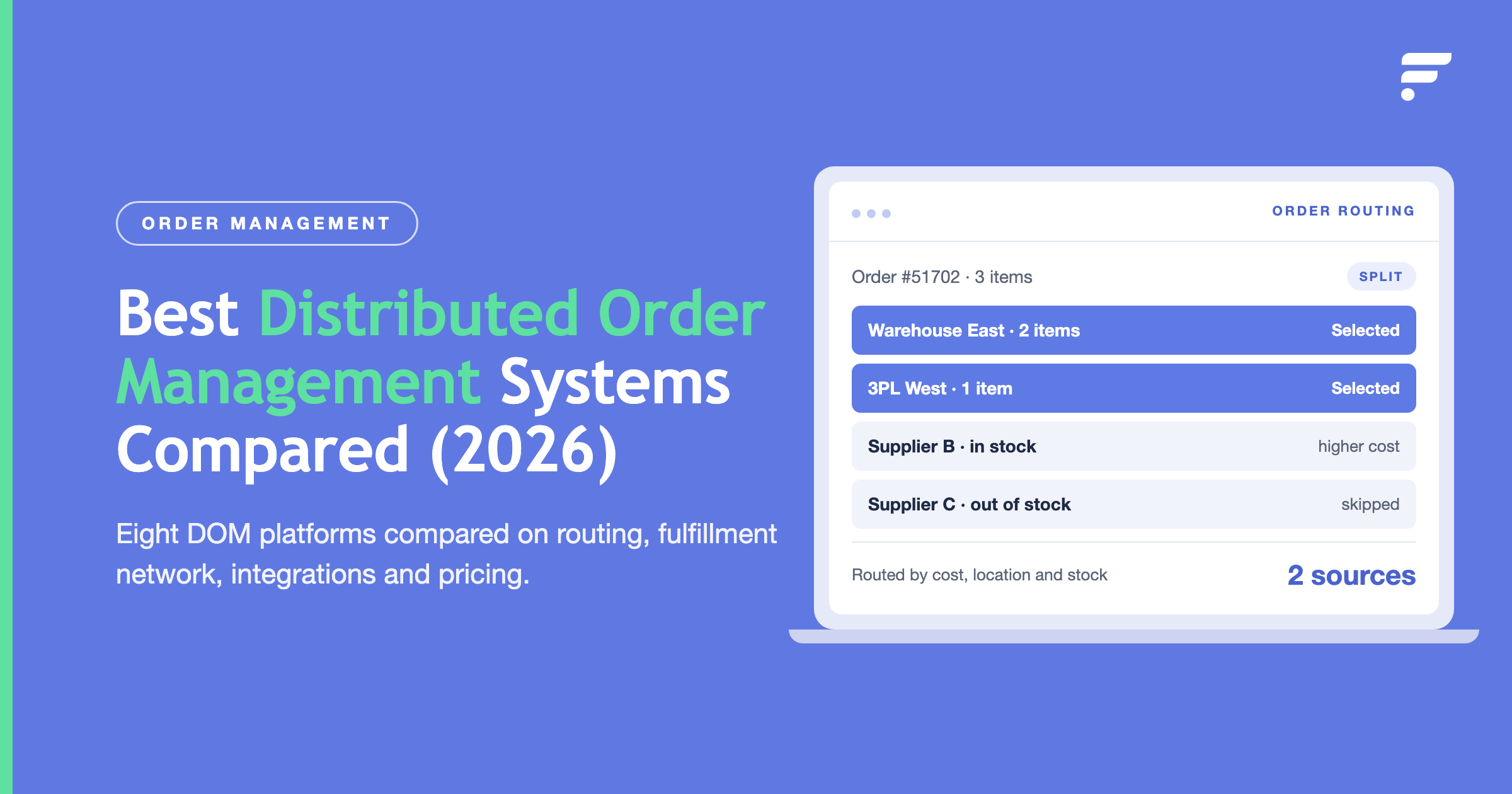
- Discreet and Efficient Fulfillment (Order Routing): Flxpoint's Order Routing is a key feature. It automatically directs an order to the best source for fulfillment, which can be vital for selecting industry-specific suppliers who are known for quick, discreet packaging. This ensures cost-effective and compliant shipping.
- Accurate Stock Control (Inventory Management): The platform offers real-time Inventory Management to prevent overselling. For sensitive and specialized products, knowing your stock is always accurate is critical to maintaining a professional business image and meeting customer expectations.
- Managing Specialized Suppliers: Supplier Management makes it easy to connect with multiple unique partners, such as niche novelty manufacturers or compliance-focused logistics companies. You can monitor their inventory and automate purchase orders, ensuring you can quickly get the specific products your customers want.
- Listing Compliance (Product Listing Management): Flxpoint helps manage and update product information across many sales channels. This allows you to quickly adjust descriptions and images to meet the different, and often strict, content rules of various marketplaces, keeping your listings compliant.
- Scalable Growth Focus: The adult industry moves fast, and manual processes will hold you back. Flxpoint automates the complex operational parts of running an adult dropshipping business, letting you focus on growth while staying compliant with the legal framework we've outlined.
By combining these automated features, Flxpoint reduces manual tasks and helps your business efficiently and confidently manage the sensitive and complicated parts of selling adult products online.
Ready to explore how Flxpoint can streamline your adult dropshipping operations while keeping you compliant? Schedule a demo to see how our platform handles the complexities of this specialized industry.
Flxpoint – Powerful Dropship and Ecommerce Automation Platform
Frequently Asked Questions
Answers on affiliate versus direct models, discreet fulfillment, payment processing, and vendor compliance for adult wellness and novelty distribution.
An affiliate program, sending traffic to a site like sextoy.com or a white-label platform like adultshopping.com, pays commission with none of the overhead. No merchant account, no inventory, no state tax filings, no shipping. Owning a store through a distributor like Sex Toy Club gives control over pricing and branding, but the high-risk processing fees, sales tax compliance, and product liability fall on the store owner.
Go affiliate for income with minimal legal exposure. Go directly for control over the brand.
Tokenization replaces card and personal details with a non-reversible token before an order reaches the supplier. The supplier gets only what it needs to ship the package: an anonymized customer ID and an address, nothing tied to billing or purchase history.
Yes, through an endless aisle setup. A tablet at the counter lets a customer browse the full online catalog, and an integrated POS pushes the sale straight to a distributor for discreet home delivery, even for sizes or colors the store never stocked.
Discreet shipping requirements should be built into vendor contracts and onboarding workflows from day one. Automated fulfillment audits can monitor vendor performance, while real-time alerts can flag packaging or documentation that violates your requirements. Marketplace administrators can also use restricted access permissions and encrypted workflows to protect customer names, addresses, and purchase histories throughout the fulfillment process.
Customer privacy should remain protected throughout the entire fulfillment process. Order visibility should be limited to authorized teams through role-based access controls, while customer and shipping data should remain encrypted. Secure, non-public tracking logs can provide internal visibility without exposing sensitive information. Verified logistics partners should also follow established packaging, handling, and chain-of-custody requirements to maintain discretion from fulfillment through delivery.
Yes, proportionally. Each new vendor is another party touching customer data and another set of packaging and quality standards outside direct control. That is why platforms formalize vendor vetting (background checks, certification validation, sample review) before a supplier's catalog goes live, instead of relying on trust alone.
Niche selection decides the margin more than the vertical itself does. A broad "sex toys" store competes against everyone. A narrower angle, luxury wellness devices or plus-size lingerie, for example, competes against fewer sellers and supports higher price points. Automation on the supplier and listing side keeps the upfront cost low enough to test a niche before committing real budget to it.
Google Ads, Meta, and most mainstream ad networks restrict or ban adult product promotion outright, which cuts off the standard paid acquisition playbook. The workaround is specialized ad networks built for the adult vertical (Exoclick, JuicyAds, and TrafficJunky are the common ones), plus sex-positive influencer partnerships and affiliate structures that do not depend on platform ad approval at all.
Credit card processing is no longer the barrier for standard adult novelty items that it once was. Several of the long-established processing companies now accept adult products, and others have followed to stay competitive.
That said, adult novelty transactions are still classified as high-risk due to regulatory scrutiny, content sensitivity, and an elevated potential for chargebacks. Because of this, standard bank setups will not work. Merchants must secure specialized high-risk merchant accounts and work with banks that perform stricter underwriting to assess transaction legitimacy.
To protect these transactions, retailers must use specialized payment gateways built to integrate with PCI DSS-compliant processors that support anonymous or brand-neutral billing to preserve buyer discretion and prevent chargebacks.
If you are an adult novelty retailer looking to expand your catalog into adjacent niches like CBD and hemp-infused intimate products, the processor rules change significantly. Standard, mainstream processors like Stripe and Authorize.Net often present strict limitations when it comes to processing CBD transactions.
Square, by contrast, explicitly allows CBD and cannabis-related sales, making it a more accessible option for merchants expanding into hemp-derived adult wellness formulations.
Most suppliers treat intimate products as non-resalable once opened, for hygiene reasons, so a standard "return it, get a refund" policy does not apply the way it would for clothing or electronics. The common approach is a defect-only or unopened-only return window, handled through automated authorization rather than manual review, which keeps the policy consistent even though the item itself cannot go back on a shelf.
Discreet shipping protects customer privacy by using plain, non-branded packaging without product names, adult-related descriptions, or identifying details on external labels, invoices, or paperwork. Vendors should follow standardized packaging rules while maintaining all carrier and customs requirements. These expectations should be established during vendor onboarding and reinforced through fulfillment audits to ensure every order meets your discretion standards.
Brand-neutral billing statements work by using specialized high-risk payment gateways that mask the explicit nature of a purchase on a customer's credit card or bank statement. Rather than displaying the name of an adult novelty store or specific intimate products, the payment gateway is configured to show a discreet, brand-neutral name, such as a generic parent company name or neutral processing descriptor.
This setup protects customer privacy and reduces transaction anxiety through several integrated mechanisms:
- Preserving buyer discretion: a neutral descriptor keeps the sensitive nature of the transaction private from anyone else who might view the cardholder's financial statements.
- Reducing chargebacks: clear, neutral billing statement management helps prevent friendly fraud or chargebacks that occur when a buyer fails to recognize an explicit store name or experiences buyer remorse.
- Securing customer data: these transactions are processed via specialized gateways integrated with PCI DSS-compliant processors and deploy tokenization to swap raw credit card details with secure, non-reversible identifiers, keeping sensitive financial data encrypted and isolated from exposure during and after checkout.