School supplies look simple from the outside. Pencils, notebooks, glue sticks, backpacks. The reality of sourcing them is more complicated. Margins are thin. Demand swings hard around the school calendar. And the partners you rely on each run their own systems, rules, and feed schedules.
If you sell online, picking the right school supplies distributor shapes everything downstream. It affects your pricing, your fill rate, and how much manual work lands on your team in August. This guide walks through what to expect before you connect, and how automation changes the relationship for the better.
Why Working with a School Supplies Distributor is Not Like Other Niches
Most product categories sell at a steady pace. School supplies do not. A large share of annual volume hits in a few short weeks. That single fact drives almost every decision you make.
A good school supplies supplier knows this rhythm. They stock up ahead of the season. They expect order volume to triple or quadruple. But many still run on older infrastructure. Daily feed files, minimum order rules, and manual approvals are common. You need to plan around those limits, not fight them.
The other difference is buyer expectation. Parents and schools want items in hand before the first day. A late backpack is not a minor inconvenience. It is a lost sale and a bad review. Speed and accuracy matter more here than in slower categories. That pressure is exactly why your distributor setup deserves attention before the season hits, not during it.
What Onboarding Requirements to Expect Before you Get Catalog Access
Before a distributor hands over their dropship catalog, they want proof that you are a real business. Onboarding is rarely instant. Plan for a few days to a few weeks depending on the partner.
Here are the requirements you will see most often:
- Credit application - Distributors check your business credit before extending terms. Net 30 is common once approved.
- Resale certificate - This lets you buy without paying sales tax, since you collect it from the end customer. Have it ready.
- Minimum order value - Many set a floor per order or per month. School supplies bulk wholesale pricing usually kicks in above a threshold.
- EDI or feed compliance - Larger distributors expect you to receive their data in a set format. Smaller ones may just email a spreadsheet.
- Reseller agreement - This spells out pricing, returns, MAP policy, and territory if any.
Read the agreement closely. Pay attention to return windows and restocking fees. School supplies have a short selling season. A slow return process can leave you holding dead stock.
Understanding Feed Formats and the Daily Sync Limitation Many Distributors Have
Once you are approved, the distributor sends product data through a feed. This is the file that tells your store what exists, what it costs, and how many units are in stock.
Feed quality varies a lot. Some suppliers push real-time data through an API. Many school supplies distributors still send a flat file once per day. That daily limit is the part that trips up new sellers.
Here is the problem. If the feed updates at 6 a.m., your stock counts are accurate at 6 a.m. By afternoon, during peak season, those numbers may be wrong. You could sell an item that is already gone. That leads to cancellations and unhappy buyers.
You cannot force a daily feed to become real-time. But you can manage around it. A platform like Flxpoint schedules sync jobs to pull the feed the moment it refreshes. It can also run safety buffers, so you stop selling an item before it truly hits zero. The goal is to squeeze maximum accuracy out of a daily constraint.
A quick comparison of feed types:
|
Feed Type |
Update Speed |
Accuracy Risk |
Best Handling |
|
Real-time API |
Instant |
Low |
Direct connection |
|
Daily flat file |
Once per day |
Medium to high in season |
Scheduled sync plus stock buffer |
|
Manual Spreadsheet |
When sent |
High |
Automate the import, add a buffer |
Managing Back-to-School Demand Spikes Without Manual Intervention
The back-to-school rush is where retailers either shine or break. Order volume spikes fast. If your inventory and routing depend on a person clicking buttons, that person becomes a bottleneck overnight.
Automation removes the bottleneck.
Here is what should run on its own during peak weeks:
- Inventory sync - Stock levels update from every distributor feed without anyone touching a file.
- Order routing - Each order goes to the right supplier based on stock, cost, and location.
- Stock buffers - Items are pulled from sale before they oversell.
- Pricing rules - Margins hold even when distributor costs shift mid season.
When these run automatically, your team handles exceptions instead of routine work. That is the difference between a calm August and a chaotic one. The volume still spikes. The manual workload does not.
Selling school supplies across Amazon, Walmart, and your own Shopify store
Many retailers do not sell on one channel. They list on Amazon, Walmart, and their own Shopify store at the same time. Each channel pulls from the same distributor stock. That creates a real risk.
Say you have 50 units of a notebook from one supplier. If all three channels think they own all 50, you will oversell. Amazon penalizes that hard. So does Walmart.
The fix is a single source of truth. Your inventory should live in one place. Each channel reads from that shared pool. When a sale happens anywhere, the available count drops everywhere.
Flxpoint sits between your distributors and your channels to keep that count synced in both directions.
Structure your relationships with this in mind. You do not need a separate distributor per channel. You need one clean inventory layer that feeds them all.
One School Supplies Distributor Vs Three: When You Need Dedicated Automation
Running a single distributor is manageable by hand, at least at low volume. You import one feed. You place orders in one portal. You learn one set of rules.
Add a second and third distributor and the math changes. Now you have multiple feeds on different schedules. Different minimums. Different cutoff times. Picking the best source for each order by hand becomes slow and error prone.
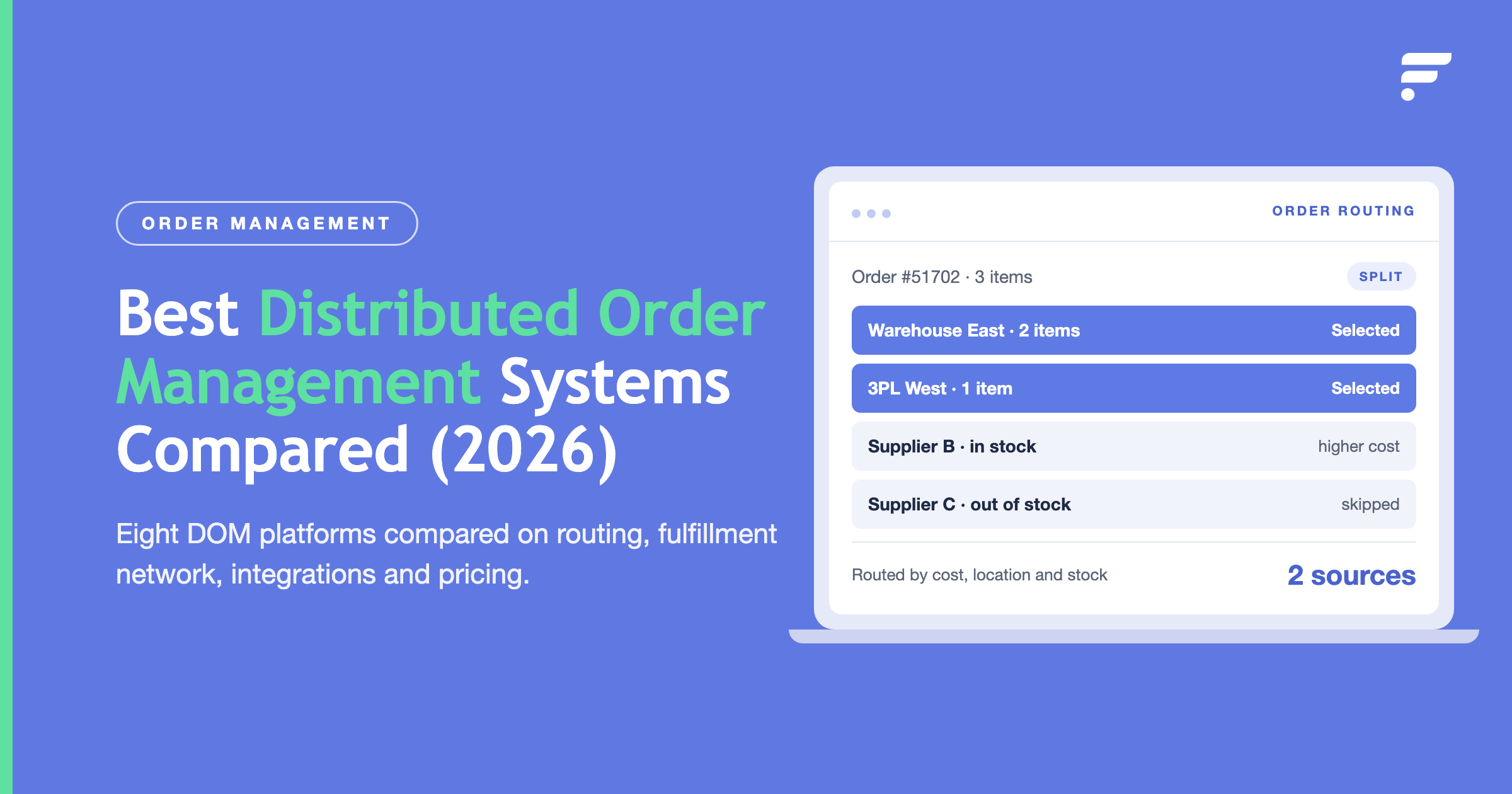
This is the point where dedicated automation pays for itself. Instead of you deciding where each order goes, the system does it. Flxpoint routes every order to the best available source based on price, stock, and shipping speed. No manual purchase order creation. No spreadsheet to track who has what.
A simple rule of thumb. One distributor and low volume manual is fine. Two or more distributors, or heavy seasonal swings, and you want automation handling routing before the season starts.
Where to find vetted school supplies suppliers before you connect
The right partner mix is the foundation. Before you connect anything, it helps to see your options in one place. You can browse vetted school supplies suppliers in the Flxpoint supplier directory at flxpoint.com/suppliers. Start there, check the feed type and terms, then connect the ones that fit your channels.
FAQs
Question: What onboarding requirements do school supply distributors typically impose before giving a retailer access to their dropship catalog?
Answer: Most distributors ask for a credit application, a valid resale certificate, and a signed reseller agreement before granting catalog access. Many also set a minimum order value and expect you to receive product data in a specific feed or EDI format. Approval can take a few days to a few weeks, so apply early, well before the back-to-school season starts.
Question: How do I manage catalog updates from a school supplies distributor who sends feed files on a daily rather than real-time basis?
Answer: You cannot make a daily feed real-time, but you can manage the gap. Schedule your sync to run the moment the feed refreshes each day. Then add a stock buffer so items stop selling before they truly reach zero. A platform like Flxpoint automates both steps, which keeps your listings accurate even when the underlying data only updates once per day.
Question: What automation is needed to handle back-to-school demand spikes without manual intervention on inventory and order routing?
Answer: You want automated inventory sync, automated order routing, stock buffers, and pricing rules. Inventory sync keeps counts current across every distributor. Order routing sends each order to the right supplier on its own. Buffers prevent overselling, and pricing rules protect your margin when costs shift. With these running, your team handles only exceptions during peak weeks.
Question: How should I structure my distributor relationships if I want to sell school supplies across Amazon, Walmart, and my own Shopify store?
Answer: Keep one shared inventory layer that feeds all three channels. You do not need a separate distributor for each marketplace. Connect your distributors to a central system, then let each channel read from the same stock pool. When a sale happens on any channel, available counts update everywhere. This prevents overselling, which both Amazon and Walmart penalize.
Question: What is the operational difference between managing one school supply distributor vs. three, and at what point do I need dedicated automation?
Answer: One distributor is manageable by hand at low volume. You handle a single feed, one portal, and one set of rules. With three distributors you face multiple feeds, different minimums, and different cutoff times. Choosing the best source per order by hand becomes slow and risky. Once you reach two or more distributors, or face heavy seasonal swings, dedicated automation for routing and inventory pays off.